


British Columbia’s Energy Minister, Adrian Dix, has expressed skepticism towards Alberta Premier Danielle Smith’s pipeline agreement with Ottawa. According to Dix, the memorandum of understanding set to be signed between Smith and Prime Minister Mark Carney is primarily aimed at appeasing her support base.
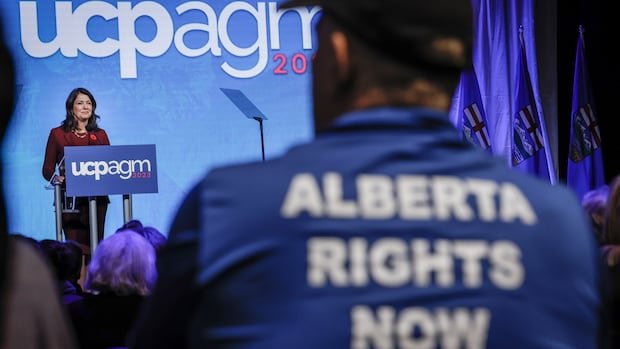
The timing of the agreement is crucial for Alberta as they have a political convention approaching, with the need to consolidate support from the right-wing faction. This tactic of rallying the base with significant announcements ahead of the annual meeting has been a recurring strategy for Smith.
While the proposed energy deal may serve as a political move to energize her supporters, not all party members are convinced of its significance. Some, like Tim Hoven, a rancher from central Alberta, believe that another pipeline won’t address the underlying issues facing the province.
The grassroots movement within the United Conservative Party (UCP) has been increasingly vocal about their desire for greater autonomy from the federal government. Calls for independence have gained traction, with a significant portion of UCP supporters favoring separation from Canada.
As Alberta gears up for its annual general meeting, the debate over the province’s relationship with Ottawa is expected to take center stage. While Smith may champion the pipeline agreement as progress, there is a growing sentiment within the party base that demands more drastic measures, such as independence referendums and fundamental reforms to the federal system.
The divide between the UCP convention attendees and the broader electorate highlights the party’s internal struggle to reconcile differing views on the province’s future direction. Smith’s celebration of the pipeline deal may not resonate with all members of the UCP, who are pushing for more radical changes in Alberta’s relationship with the federal government.