

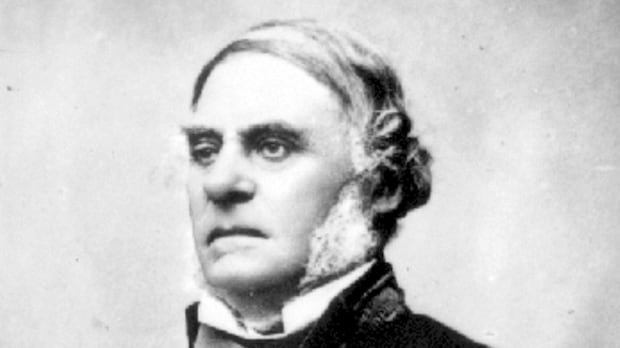

Decades ago, a prominent judge in British Columbia described the conflict between Aboriginal title and private property ownership as a “cloud.” This legal issue, once a distant concern, now impacts properties across the province. Recently, this “cloud” manifested in Richmond, where homeowners faced the reality of potentially sharing land title with the Quw’utsun Nation.
At a townhall meeting, residents gathered to hear the city’s mayor and legal experts discuss the implications of a court ruling that awarded Aboriginal title to a significant portion of land, including private properties. While some argue that Aboriginal title cannot coexist with fee simple ownership, others, like Justice Barbara Young, assert that it can and does.
Young’s ruling, which granted the Quw’utsun Nation Aboriginal title to a substantial land area, delves into a complex legal landscape. The decision, while significant, raises concerns among property owners and the government, leading to appeals and calls for negotiation and reconciliation.
The legal battle stretches back to the 1850s when promises made to Indigenous settlements were not upheld, leading to a series of transactions that ultimately resulted in the Quw’utsun Nation reclaiming their ancestral lands. However, the road ahead is long, with appeals and further legal proceedings expected before a final resolution is reached.
As the case unfolds, the delicate balance between Aboriginal title and private property rights remains a focal point. While challenges persist, the path to resolution likely involves negotiation and collaboration among all parties involved.
The legacy of this legal saga, as highlighted by the late Justice Mary Southin, impacts all British Columbians, emphasizing the need for clarity and resolution for the sake of economic stability and communal well-being.