

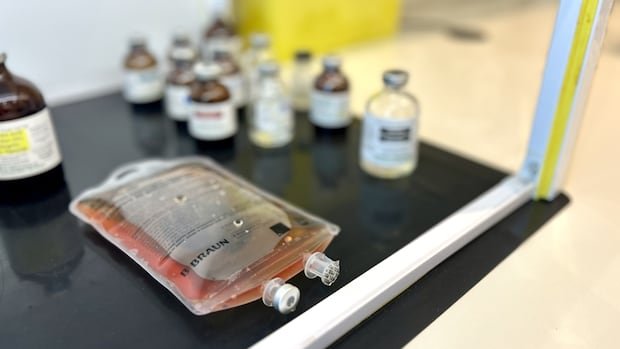

Intravenous therapy, commonly used in hospitals for medical treatments, has seen a rise in popularity in wellness spas. These spas offer IV cocktails claiming various health benefits like boosting immunity, combating hangovers, and alleviating chemotherapy side effects. Despite these claims, medical experts caution that the promises made by many clinics lack scientific evidence and may pose health risks.
IV hydration clinics are part of the rapidly expanding medical spa industry, with the number growing significantly in recent years. The lack of a unified regulatory body overseeing these clinics in both the U.S. and Canada has raised concerns about the safety and efficacy of the services they offer.
A recent study published in JAMA Internal Medicine highlighted the varying state-level policies and practices related to IV therapy in the U.S., emphasizing the need for consistent oversight to prevent potential harm to consumers. The complex regulatory landscape in Canada mirrors similar challenges, with different regulatory bodies overseeing aspects like the contents of IV drips and the qualifications of healthcare professionals involved.
While individual IV health products are regulated by Health Canada, the customization of these mixtures in medical spas raises concerns about contamination and safety. Despite provincial regulatory bodies overseeing different medical professions, the fragmented approach to regulation has led to gaps in oversight and concerns about the quality of care provided.
Complaints regarding unsafe practices at IV clinics have been on the rise, prompting regulatory bodies to take action. The need for strict standards and oversight in IV therapy is crucial to prevent potential risks to consumers. Providers emphasize the importance of proper regulation to mitigate risks associated with IV treatments.
Despite the claims made by IV clinics, experts caution that many of these assertions lack scientific backing. Consumers are advised to be cautious and consider safer alternatives for common issues like hangovers or headaches, such as consuming hydrating beverages. The lack of evidence supporting the wide-ranging claims made by these clinics has raised skepticism about the actual benefits of these treatments.