

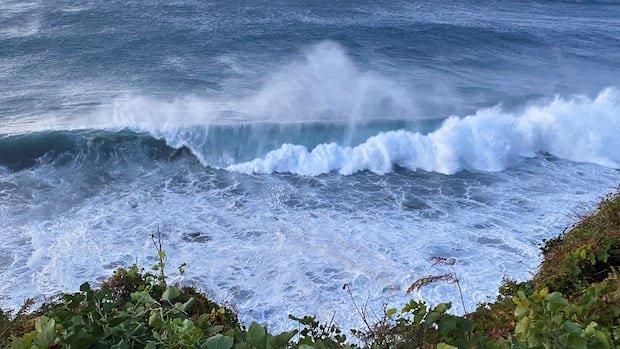

A rare sighting of a grey whale off Vancouver has stirred interest on social media and triggered concerns after a Sea-Doo operator accidentally collided with it earlier this week. Fisheries and Oceans Canada (DFO) and Vancouver police are currently investigating the incident. Fortunately, the whale seems unharmed and is behaving normally post-collision.
This incident adds to a series of high-profile whale strikes in the region last autumn, signaling a growing conservation issue. Understanding the potential for water conflicts is crucial. Federal Marine Mammal Regulations mandate vessels to maintain a distance of at least 100 meters from whales, dolphins, and porpoises, which increases to 200 meters if they are with a calf. In specific areas, such as southern B.C. coastal waters, the distance to be maintained from orcas is 400 meters, while endangered southern resident killer whales require a 1,000-meter buffer zone starting June 1.
Moreover, sensitive orca habitats are safeguarded by various small vessel restricted zones around the Gulf Islands. While there are no general speed limits for B.C.’s South Coast waters, recreational boaters are required to maintain a “safe speed” to prevent collisions. Specific speed limits are enforced in designated areas such as the First Narrows, Port Moody, and False Creek, among others.
Enforcement of these regulations falls under various authorities, including local police, port patrol, the RCMP, and the DFO. The DFO’s whale protection unit, operating from Delta and Victoria, plays a crucial role in educating boaters about marine noise, vessel strikes, and ensuring compliance with regulations.
Violators can face fines up to $100,000 under the Fisheries Act. However, there are challenges in enforcement due to gaps in regulations and the vast coastline of B.C. Humpbacks, Bigg’s orcas, and southern resident killer whales are under pressure in the region, with a need for increased protection measures.
The impact of ship strikes on whales remains a significant concern. Documenting the exact scale of the problem is challenging, with DFO receiving an average of nine reports of vessel strikes annually in Canada. Global studies suggest that up to 20,000 whales are killed yearly due to vessel strikes, with Vancouver Island’s southwest coast being a hotspot for such incidents.
To mitigate conflicts, initiatives like the ECHO program by the Port of Vancouver and the Whale Report Alert System by Ocean Wise aim to promote safe navigation and protect marine life. Enhanced enforcement resources and public education are key to reducing conflicts between recreational boaters and whales, highlighting the need for a more comprehensive approach to marine safety education.