

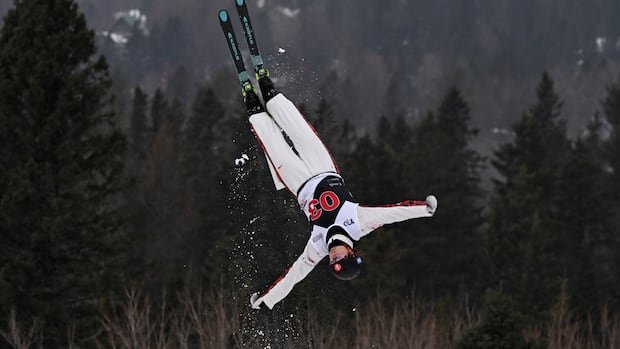

In this second part of a two-part series, we delve into the impact of climate change on winter sports. To read part one, click here.
Over the past seven years, Marion Thénault has witnessed the dual nature of working outdoors, particularly on the slopes where she practices freestyle skiing. While she has enjoyed picturesque winters with ample snow perfect for executing intricate jumps and tricks, she has also observed firsthand how climate change is affecting her sport and the environment. The warming planet poses a significant threat to winter sports like skiing.
Thénault recollects instances at World Cup events where entire mountains were covered in green grass, except for the artificial snow utilized for competitions, creating a stark contrast that has left a lasting impression on her.
Reflecting on this, Thénault expressed her discomfort, stating, “It just feels wrong to be there. It feels like I’m not welcome in that environment because it’s fake in some way.”
Moreover, the former gymnast has experienced how melting snow can impact an aerial skier’s performance, affecting takeoff and speed during jumps.
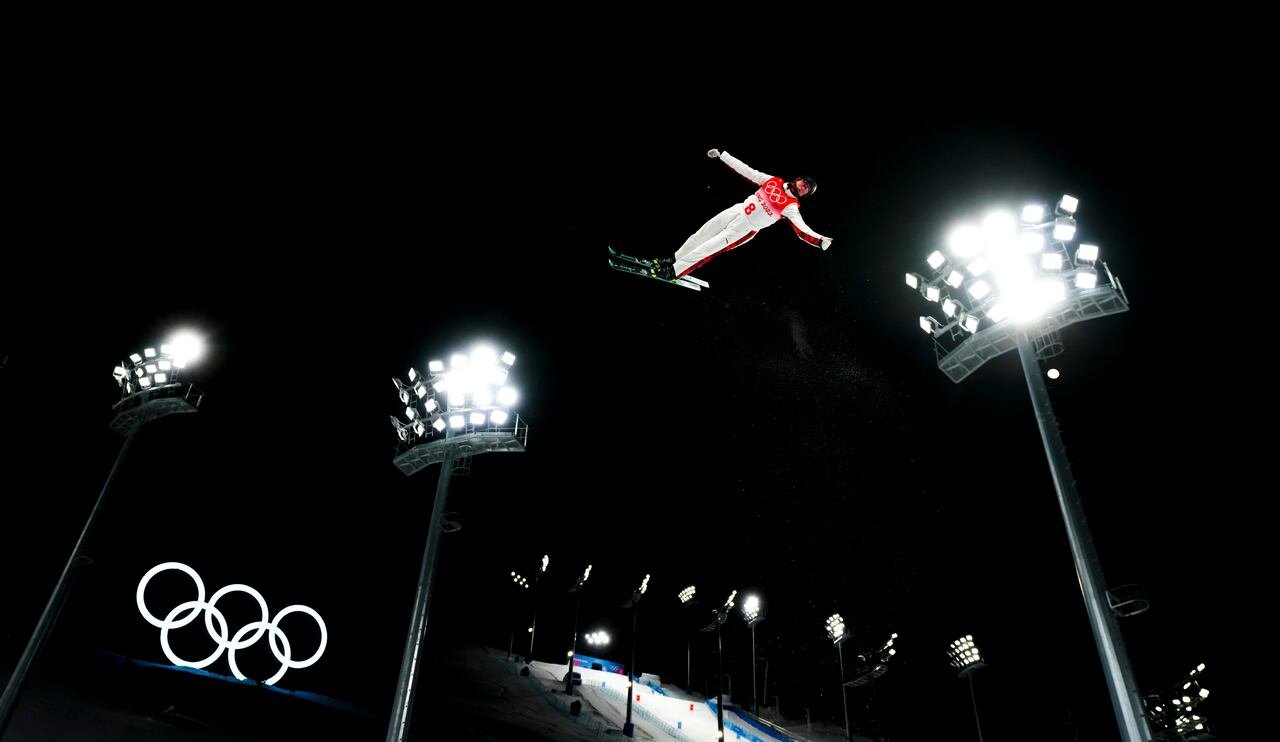
Each jump demands precise measurements and micro adjustments as Thénault launches into the air, ensuring she knows exactly what to do mid-air and where to land.
“Working with dry ice makes the jump hold but it also makes the jump slippery and the rest sticky,” she explained. “This is crucial to adapt to when it’s warmer outside. The speed fluctuates more, making it more unpredictable and potentially hazardous due to inconsistency.”
A study commissioned by the International Olympic Committee in 2024 revealed a shrinking number of locations with suitable weather conditions to host the Winter Olympic and Paralympic Games. By the 2050s, only half of the 21 previous Olympic host cities are projected to meet the climate requirements due to the impacts of climate change.
The threat posed by climate change is not a distant concern but a present reality. Athletes like Thénault, dependent on natural environments, are witnessing these impacts firsthand and advocating for change.
For Thénault and others, it is not just about safeguarding a sport but also about preserving the unique landscapes in their countries.
“I rely on snow coverage for my profession,” Thénault emphasized. “But we also have insights into the changes occurring in the mountains, and it’s my duty to raise awareness about it.”
Thénault’s advocacy journey commenced following her return from the Beijing Olympics with a bronze medal, driven by the stark contrast between greenery and snow. The more she learned about climate change, the more compelled she felt to take action.
- This Saturday, Just Asking seeks to explore: What inquiries do you have regarding Canada’s involvement in global climate change initiatives? Complete <a href="https://docs.google.com/forms/d/e/1