

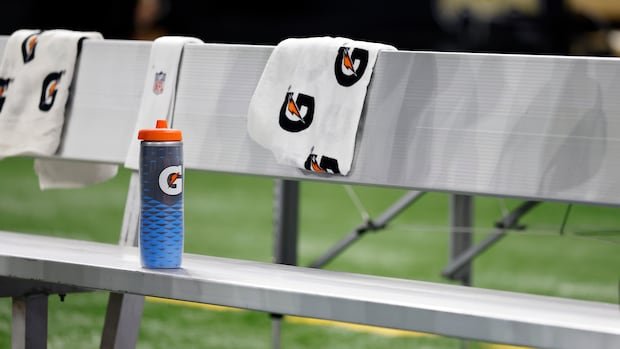

Gatorade, the pioneer of sports drinks for six decades, is shifting its focus away from just athletes. The brand, under PepsiCo, aims to cater to a wider audience seeking hydration solutions for various activities such as travel, leisurely walks, or even recovering from hangovers. The new packaging emphasizes the functionality and research behind Gatorade’s range of drinks and powders.
This strategic change aligns with the growing trend among U.S. consumers towards beverages with perceived health benefits. Research by Mintel reveals that 60% of sports drink consumers are non-athletes who value the functional components like electrolytes and carbohydrates for hydration and energy.
The surge in sales of sports drink mixes, including powders like those from Liquid I.V., Skratch Labs, and Gatorade, has seen a nearly 20% increase, surpassing bottled water sales. With the market potential on the rise, numerous new sports and hydration brands have flooded store shelves, posing challenges for established players like Gatorade.
To stay competitive, Gatorade plans to clearly label products that offer superior hydration benefits compared to water. For instance, the upcoming Gatorade Longer Lasting drink, set for release next year, combines glycerin and electrolytes to enhance hydration endurance beyond water’s capabilities.
In a similar vein, competitors like Powerade have revamped their packaging and introduced new products to appeal to non-athletes. Brands like Liquid I.V. and LMNT have also pivoted towards wellness and hydration offerings to cater to evolving consumer preferences.
The inception of Gatorade dates back to 1965 when Dr. Robert Cade developed the formula to replenish electrolytes lost by University of Florida football players. Over the years, Gatorade has evolved under different ownerships, with PepsiCo currently at the helm.
While Gatorade continues to serve athletes with products like Gatorade Thirst Quencher, which provides essential carbohydrates and sugars, the brand has also introduced lower-sugar options targeting non-athletes. The removal of artificial colors and the introduction of healthier alternatives have attracted a broader customer base to the brand.
As the beverage market diversifies, companies must differentiate their offerings to meet evolving consumer demands. While Gatorade remains a staple for athletes, its expansion into the wellness and hydration space reflects the changing landscape of the industry.