

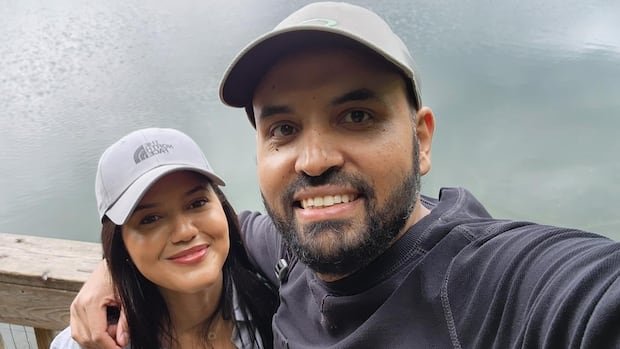

An Ottawa resident who survived a fatal funicular accident in Lisbon last month expresses astonishment at the revelations of a recent report regarding the incident and demands increased responsibility from Portuguese authorities.
Hind Iguernane, along with her husband Aziz Benharref, was one of the passengers on the tram that derailed on September 3 due to a cable failure, leading to a rapid descent culminating in a collision with a building that claimed Benharref’s life.
Reflecting on the tragedy, Iguernane, currently recuperating in Morocco with her parents, vividly recalls the harrowing moments, including the acrid smell of smoke reminiscent of gunpowder.
The report released by Portugal’s Office for the Prevention and Investigation of Accidents in Civil Aviation and Rail highlights multiple issues with the Ascensor da Gloria, popularly known as the Gloria Lift. It notes that Lisbon’s transport company, Carris, utilized a non-certified cable for passenger transport, though it refrains from directly linking the cable to the accident. The report also reveals the inefficacy of the car’s braking system, indicating that neither the manual nor automatic brakes were effective before the crash. Additionally, there was no record of the emergency brake being tested in a scenario where the cable malfunctioned.
Expressing shock at the report’s findings, Iguernane condemns the incident as a consequence of severe negligence rather than a mere accident. The report clarifies that its purpose is not to assign liability but to present factual information, with a final comprehensive report expected next year.
Following the release of the report, the entire board of directors of Carris, including chairman Pedro de Brito Bogas, resigned collectively. However, Iguernane insists that resignation is insufficient and calls for legal accountability for those responsible.
Suffering from a fractured hip and shoulder as a result of the crash, Iguernane discloses that she is under strict bed rest for three months and awaits medical clearance for her return to Ottawa.
Iguernane’s brother, Youness Iguernane, emphasizes the family’s pursuit of accountability and transparency from Portuguese officials, noting the absence of communication from the government since the incident. He stresses the family’s desire for acknowledgment rather than financial compensation.
Iguernane vows to challenge Benharref’s death, asserting it was avoidable, and discloses the family’s intention to pursue legal recourse. She questions how such a preventable tragedy could occur in the modern era and how the funicular, promoted as Lisbon’s iconic symbol, could lead to such a devastating outcome.