


U.S. inflation remained high last month due to a surge in gas prices, although rents and certain services saw a decrease, providing a mixed outlook on consumer expenses in an uncertain economic climate characterized by steady growth but sluggish hiring. The Labor Department reported a three percent increase in consumer prices in September compared to a year ago, up from 2.9 percent in August. Excluding food and energy prices, core inflation also rose by three percent, slightly lower than the 3.1 percent in the previous month.
Month-on-month, prices increased by 0.3 percent in September, a drop from the 0.4 percent rise in the prior month. Similarly, core inflation eased to 0.2 percent from 0.3 percent in August. The delay in releasing the consumer price index report was due to the ongoing government shutdown, now in its fourth week. The Trump administration recalled Labor Department staff to compile the data, crucial for determining the annual cost-of-living adjustment for around 70 million Social Security beneficiaries.
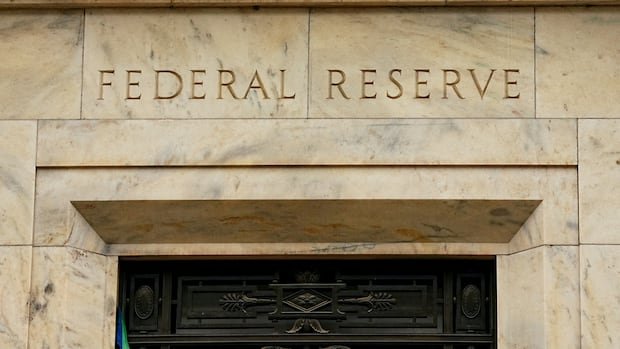
The latest figures, lower than many analysts had predicted, may offer some relief to Federal Reserve officials, who are considering a key interest rate cut at their upcoming meeting and potentially another cut in December. However, inflation remains above the Fed’s two percent target, highlighting the significance of the Fed’s policy decisions.
Gas prices notably surged by 4.1 percent in September compared to the previous month, playing a significant role in driving inflation. Grocery prices rose by 0.3 percent, less than in August, but still showing a 2.7 percent increase from a year earlier.
The issue of affordability, especially regarding rent and groceries, is becoming increasingly politically significant, as seen in the New York City mayoral race. President Donald Trump, attributing his 2024 election win partly to surging grocery prices during the Biden administration, is contemplating importing Argentine beef to counter record-high U.S. beef prices, a move that has drawn criticism from American cattle farmers.
The cost of ground beef has reached a record $6.32 per pound, partly due to tariffs on imports from countries like Brazil, facing a 50 percent duty, and reduced cattle herds from years of drought. While inflation has decreased from its peak three years ago, it remains a major concern for consumers, with approximately half of Americans citing grocery costs as a significant source of stress, according to a recent poll.
Despite initial concerns, inflation has not risen as dramatically as anticipated following Trump’s tariff implementations. Many importers preemptively stocked up on goods before the tariffs took effect, and Trump has also reduced certain import taxes through trade agreements with various countries. Economists and some Fed officials anticipate that these tariffs will provide a temporary boost to prices, with inflation levels excluding tariff impacts showing a cooling trend.
However, the Trump administration’s approach to tariffs could lead to sustained price increases. For instance, considering imposing 100 percent tariffs on Nicaraguan imports over alleged human rights violations could significantly impact businesses like premium chocolate maker French Broad, based in Asheville, N.C. Rising cocoa prices due to adverse weather conditions in West Africa and additional tariffs on imports from countries like Italy are adding to the company’s cost burdens.
French Broad has already raised prices slightly this year but anticipates further challenges post-holiday season in an unpredictable business environment. The potential long-term effects of tariffs on prices remain a concern, with implications for businesses and consumers alike.