

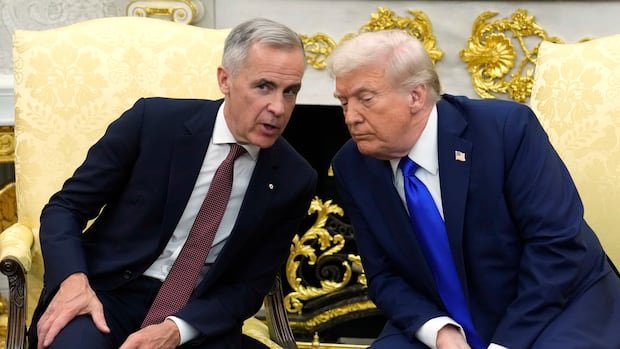

U.S. President Donald Trump’s decision to impose 50% tariffs on numerous Canadian goods may seem sudden, but it is rooted in the ongoing push for substantial changes to the Canada-U.S.-Mexico Agreement (CUSMA). The Trump administration aims to diminish Canada’s negotiating power in the CUSMA discussions by integrating Canadian trade concessions into the agreement.
The administration seeks to eliminate as much of Canada’s leverage in the CUSMA talks as possible. One source of this leverage is the ban on U.S. alcohol products by eight Canadian provinces, a trade dispute that prompted the White House to announce the new tariffs.
Brian Clow, an adviser to former Prime Minister Justin Trudeau on Canada-U.S. relations, notes that while the U.S. tariff escalation is significant, it was not entirely unexpected. Clow advised that the government should respond calmly and avoid hasty decisions in light of the 30-day grace period before the tariffs take effect.
The impact of the U.S. alcohol boycott on the American industry has been noticeable, with significant drops in exports of wine and spirits to Canada in recent years. The U.S. trade representative cited this boycott, along with other trade issues, as reasons for the new tariff threat.
The new tariffs are set to apply to nearly $20 billion worth of Canadian goods and represent about 5% of Canada’s total exports to the U.S. in 2025.
The list of products subject to tariffs includes various items, such as Canadian dairy products, wine, whisky, and unexpected items like circular saw blades and synthetic wigs. Some products seem to be targeted for their Canadian identity, like hockey equipment and down jackets.
Notably, the tariffs will impact a broader range of Canadian products and increase the tariff rate from the current 10% blanket tariff on all Canadian goods. CUSMA-compliant goods will no longer be exempt from the new 50% tariff.
President Trump is utilizing a section of a 1930 trade law, unprecedentedly, to impose these tariffs as a retaliatory measure. This move signifies a departure from previous threats, now formalized in official White House proclamations.
Despite past threats of tariffs on Canadian products, this latest action suggests a more concrete stance by the U.S. administration. The timing of the tariff announcement following a joint appearance with Prime Minister Mark Carney at the FIFA World Cup final raises questions about the strategic optics of the decision.