

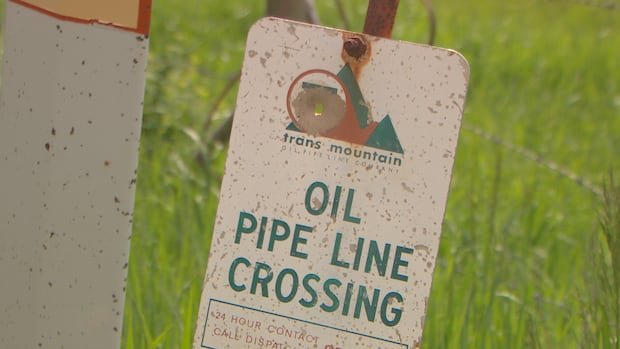

The Trans Mountain oil pipeline system is set to operate at full capacity in April and May due to energy disruptions stemming from the Middle East conflict. The two pipelines carry oil from Edmonton to a terminal in Burnaby, B.C., with most of the oil being exported to China and other Asian nations that are experiencing increased energy demand amid global supply constraints caused by the conflict.
Achieving full capacity earlier than anticipated, the pipeline system was initially expected to reach this milestone in a few years, having operated at 80-90% capacity a year ago. Trans Mountain’s CEO, Mark Maki, confirmed that the system is now essentially at full capacity.
Rising energy prices have been observed in recent weeks due to Iran’s restrictions on the Strait of Hormuz, a critical passage for global oil exports. As a result, there has been a shift towards North America as a primary energy source. Asian customers have shown a strong interest in Canadian oil due to their preference for the country and its products.
In the event that the Middle East conflict subsides, it may take several months for energy markets to stabilize. The crisis has particularly impacted Asian countries, some of which are already facing shortages of oil and natural gas. Shell’s CEO warned that Europe could soon face similar disruptions in fuel supplies.
Meanwhile, Trans Mountain is progressing with expansion projects to enhance oil transportation through the existing pipeline system. The first project involves the use of drag reducing agents to increase oil movement by up to 10%, costing $9 million and slated for construction starting in August and completion by January 2027. The second expansion, which includes constructing more pumping stations, is aimed to be finished by 2028 instead of the original target of 2029, pending regulatory approval.
This expansion is projected to boost capacity by 360,000 barrels per day in addition to the current transportation capability of about 890,000 barrels per day between Alberta and the West Coast.