

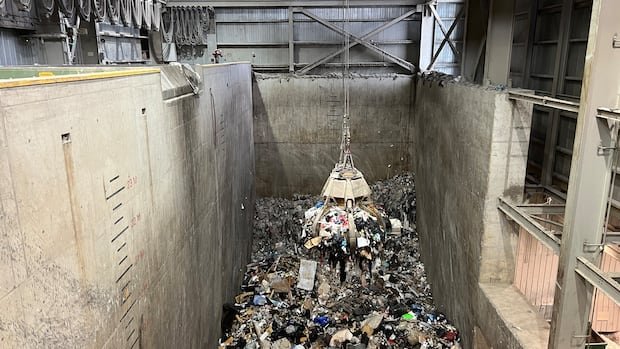

Welcome to our weekly newsletter focusing on environmental developments and solutions driving us towards a more sustainable future. Last week, an Instagram post about Toronto’s waste incineration considerations sparked questions about the city’s waste management strategies.
In most parts of North America, waste disposal typically involves landfills. While modern landfills are designed to minimize environmental impacts, the City of Toronto is facing challenges due to limited landfill space. With the main landfill site set to reach capacity by 2035, Toronto explored options, including reaching out to nearby municipalities for waste disposal alternatives or new landfill sites. However, no suitable solutions were found.
Given the constraints, Toronto is now contemplating waste incineration as a potential solution to address the waste disposal crisis. The city invited public feedback on waste management options, including incineration, which is already operational in nearby regions like Brampton and Durham. The Durham facility, for example, can process significant waste volumes annually, with plans for further expansion.
The debate on waste management methods revolves around emissions considerations, with differing opinions on whether landfills or energy-from-waste facilities are more environmentally friendly. Proponents of incineration argue that it can be more efficient in terms of greenhouse gas emissions and energy recovery. However, critics highlight concerns about air quality impacts and the potential health risks associated with incineration.
Beyond waste management strategies, environmental advocates stress the importance of reducing waste generation through measures like enhanced producer responsibility programs and improved waste diversion practices. These initiatives aim to minimize the overall waste output and promote sustainable waste management practices.
In parallel, the need for innovative approaches to address environmental challenges is highlighted by recent incidents, such as the use of sprinklers to protect homes during wildfires in Nova Scotia. These efforts underscore the importance of proactive measures to mitigate environmental risks and safeguard communities from natural disasters.
As we navigate complex environmental issues, the quest for sustainable solutions remains paramount in shaping a more resilient and eco-conscious future.
– Inayat Singh