

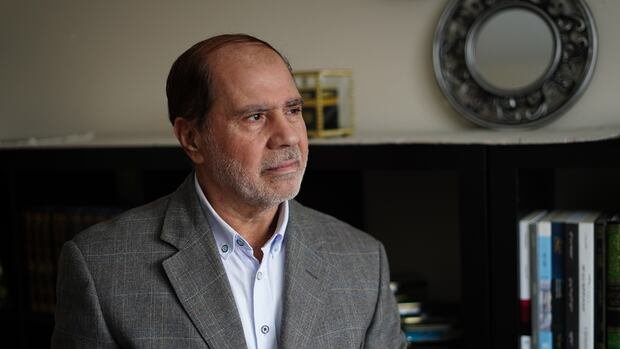

Nabil Hawara vividly recalls the harrowing experiences of enduring torture in a prominent Syrian prison over two decades. From 1975 to 1995, he faced daily brutality, including beatings with iron bars and whips, guards urinating in food bowls, and severe physical harm like a ruptured lung.
Hawara’s life in the confines of Tadmur Military Prison in Palmyra was a constant struggle for survival, as he lived in fear of death and torment. Eventually, he fled to Canada as a refugee, seeking safety from the horrors he endured.
The prison, known for mass executions and relentless torture, was located near a school and a playground, instilling fear in the surrounding community. In 2015, ISIS destroyed the prison, but conflicting reports exist on the extent of the damage caused.
Unlike other Syrian prisons, Tadmur was prominently visible, serving as a grim reminder of the regime’s oppressive tactics. Hawara described how the sounds of torture were juxtaposed with the call to prayer and the presence of children nearby, emphasizing the daily horror faced by detainees.
Hawara’s journey of suffering continued even after his release, as the psychological scars of his imprisonment lingered. Despite finding refuge in Canada with his family, he still grapples with the physical and emotional aftermath of his traumatic past.
The horrors of Tadmur Prison, as documented by human rights reports, reveal a deliberate design to inflict maximum suffering on inmates. Accounts of torture, starvation, and disease shed light on the systematic abuses within Syria’s detention facilities.
Hawara’s story serves as a poignant reminder of the atrocities endured by many Syrians under the Assad regime. The fall of the oppressive regime has offered a glimmer of hope for justice and freedom after years of tyranny and oppression.