

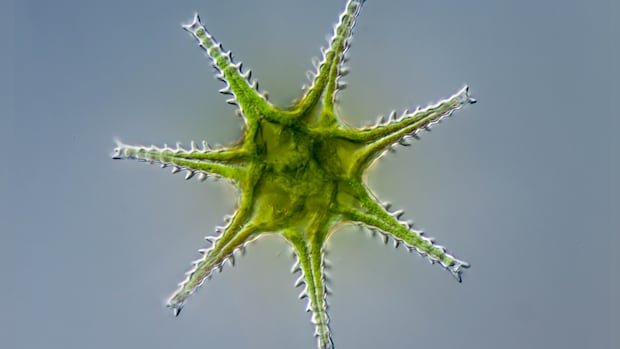

A regenerated forest can appear tall, vibrant, and verdant. Revitalized wetlands can hum with insects and flutter with birds. Yet, upon closer inspection, scientists have noticed that some of the smallest inhabitants, such as specific mosses, lichens, algae, and fungi, are frequently absent.
The restoration of ecosystems like forests and wetlands can aid in preserving declining species of animals and plants, facilitating their recovery. However, recent studies indicate that not all species return at the same pace. Some of the tiniest, least conspicuous inhabitants may remain scarce or missing for extended periods, potentially impacting other species.
Ellen Macdonald, a botanist from the University of Alberta, has dedicated her career to studying forests, focusing on the minute flowers, mosses, liverworts, and lichens that thrive in their midst. According to Macdonald, the number of species in these microhabitats surpasses that of tree species.
To the untrained eye, a regenerated forest decades after logging may seem similar to an untouched one, teeming with tall trees, birds, and insects. However, Macdonald has sensed an underlying discrepancy while traversing regrown coniferous boreal forests, even though she couldn’t pinpoint it immediately.
Macdonald conducted a comprehensive study by combining her research with global data to assess the recovery duration of plants and animals as boreal forests regenerate post-clearcutting. The research, recently featured in the journal Nature Sustainability, revealed that birch and aspen forests and their inhabitants typically recover within 25 years, whereas conifer forests require significantly more time. In conifer forests, understory plants, particularly lichens, mosses, and liverworts, take 85 years or more to reestablish, with some species still absent after a century.
The phenomenon of missing species is not exclusive to boreal forests. Researchers investigating restored habitats like wetlands have also observed the persistence of certain unseen species despite the outward appearance of health.
German botanist Michael Melkonian highlighted the diminished diversity of algae in restored wetlands near his residence, emphasizing that these losses represent a subdued form of extinction. Viktoria Wagner, an associate professor at the University of Alberta, termed this decline “dark diversity,” noting its prevalence among plants worldwide.
The absence of species can impede the recovery process and have unforeseen consequences. Algae, despite their diminutive size, play a crucial role in global oxygen production and food availability. Wagner underscored the significance of species diversity in maintaining ecosystems, cautioning that a decline in diversity can negatively impact other species.
Understanding these ecological patterns can guide landscape managers on preserving a broader array of species. Macdonald suggested that selectively harvesting conifer forests rather than clearcutting them could aid in species conservation.
Melkonian raised concerns about the threat to algal habitats worldwide and the species inhabiting them. He and his colleagues have amassed over 5,000 algal strains to create a living repository, ensuring the preservation of these species.
Wagner emphasized the continuous loss of species and the necessity for active interventions to conserve biodiversity. Protecting isolated habitats is insufficient; maintaining and restoring extensive habitats across landscapes is vital for species persistence.
In conclusion, safeguarding biodiversity demands proactive efforts to counteract species decline and ensure their long-term survival.