

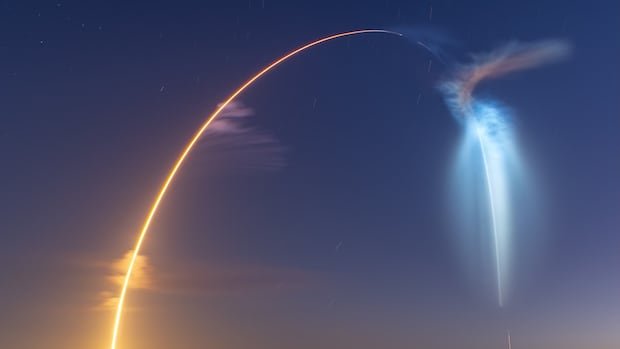

Most people tend to focus on short-term thinking rather than considering long-term issues like air pollution, deforestation, and emissions. This is why scientists are alarmed by a recent SpaceX proposal to launch one million satellites, which are essentially data centers, into Earth’s orbit. The concerns raised include the potential loss of the natural night sky, restricted access to space, and the environmental impact on the atmosphere.
Currently, there are approximately 16,000 satellites orbiting Earth, with SpaceX accounting for more than 8,000 of them. SpaceX regularly launches satellites into orbit, with an average of more than two dozen satellites launched twice a week. The company aims to have around 40,000 Starlink satellites in orbit to provide global internet connectivity, particularly in remote areas.
The increase in satellites poses a threat to the orbital environment, as it adds to the existing space debris, which includes over 140 million pieces ranging in size from one millimeter to 10 centimeters. This debris endangers both astronauts and operational satellites, such as those supporting GPS technology.
Concerns also extend to the environmental impact of rocket launches, which can deposit pollutants like black carbon and soot into the atmosphere, potentially affecting the ozone layer. Scientists fear the unknown consequences of having a large number of satellites in orbit, especially when they reach the end of their operational life and burn up during reentry, leaving behind metals like aluminum and lithium.
SpaceX’s proposal to launch a million satellites has raised significant environmental and operational concerns. Despite the company’s assurances to minimize atmospheric impacts, there are apprehensions about the potential consequences of such a massive deployment of satellites. The impact on space observation, satellite collisions, and light pollution in the night sky are among the issues that astronomers and experts are worried about.
The company’s lack of detailed technical information in its FCC filing and the potential disruptions to ground-based and space-based observatories have further fueled concerns among astronomers. Collaborative efforts with international astronomical organizations to address satellite brightness have been overshadowed by the scale of SpaceX’s proposed satellite deployment.
While SpaceX is not alone in proposing large-scale satellite launches, the collective plans from various companies and countries, including China’s megaconstellation projects, could amount to 1.7 million satellites. While not all these proposals may come to fruition, even a fraction of this number in orbit would have far-reaching consequences globally, impacting the environment and space activities for everyone.