

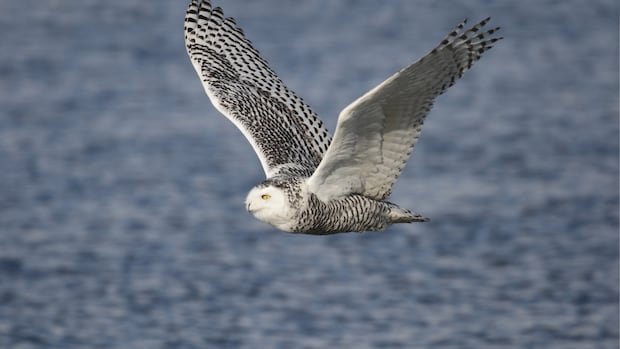

The population of snowy owls soaring over the Arctic tundra is dwindling due to various threats, raising concerns about the iconic birds’ survival. Factors such as habitat loss, thicker ground cover, and challenges in finding prey are contributing to the decline. Additionally, collisions with vehicles, buildings, and power poles during migration are further impacting their numbers.
Currently estimated at around 14,000, the snowy owl population is decreasing by more than 30% per decade. The species has been classified as threatened due to the sharp decline in its numbers, as highlighted by Syd Cannings, a retired biologist who was part of the Committee on the Status of Endangered Wildlife in Canada.
Despite the scientific assessment indicating the declining population, legal protection does not automatically follow. Extensive consultations involving researchers, federal, Indigenous, and local governments are conducted post-threat assessment, a process that can extend for two years or longer. This prolonged timeline leaves species like the snowy owl vulnerable before conservation measures can be implemented.
The process from threat assessment to formal listing under federal law can take over two years in the northern regions, emphasizing the meticulous approach taken by the government to avoid hasty decisions. The snowy owl, considered an umbrella species and an environmental health indicator, reflects the overall well-being of flora and fauna in its habitat.
The snowy owl faces threats not only from habitat changes but also from avian flu outbreaks and various human-induced dangers during migration. The complexities of the challenges posed by a changing environment make it difficult to pinpoint a single cause for the decline in snowy owl numbers. This global threat underscores the need for comprehensive conservation efforts to safeguard the species.
The cultural significance of the snowy owl, known for its remarkable journeys from the High Arctic to southern Canada, resonates with people, creating a unique bond with nature. As climate change continues to impact biodiversity, conservation efforts become increasingly crucial to protect species like the snowy owl, symbolizing a vital link to the far North in our collective heritage.