


Long-term buddies and equally long-term partners Phil Lord and Chris Miller infused their typical philosophy into “Project Hail Mary,” aligning with their previous works like “21 Jump Street,” “The Lego Movie,” and the recent “Spider-Verse” series. In a recent interview with CBC’s “Q,” Lord mentioned their intention for the movie to evoke positivity and goodness in people, offering a contrast to the negativity abundant in the world.
The film, revolving around a solitary astronaut embarking on a deep-space mission to unravel a mystery and rescue the planet, prominently carries themes of hope and goodness. This thematic choice resonates with the longstanding tradition in space-related movies, often coinciding with real-life space exploration endeavors or periods of heightened public interest in space.
Miller reflected on the collaborative effort put into making “Project Hail Mary,” emphasizing the unity and teamwork showcased within the movie, mirroring the challenges faced by individuals on Earth working together towards seemingly insurmountable goals. The film’s success post its strong box office debut attests to its broad appeal, capturing diverse demographics and fostering a shared sense of enthusiasm, camaraderie, and delight among viewers.
Critics and audiences have praised the movie for its refreshing departure from the prevailing gloom, offering a much-needed escape and uplifting experience amidst the backdrop of current global events. The film’s ability to engage and draw audiences in significant numbers underscores its universal appeal and positive reception.
“Project Hail Mary” stands as a prime example of a “four-quadrant” film, effectively resonating with various audience segments and instilling a desire in them to experience the movie in theaters. The film’s success not only reflects its entertainment value but also signifies a collective yearning for narratives that foster optimism and unity.
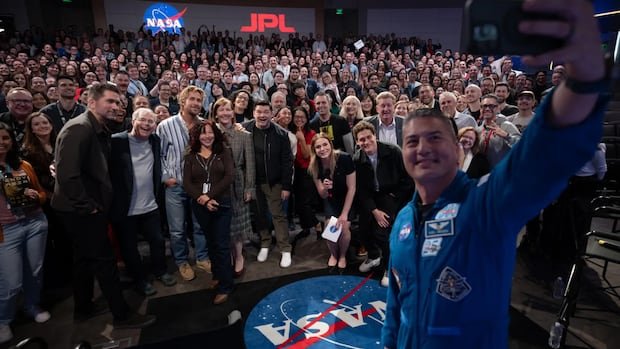
The thematic alignment between “Project Hail Mary” and real-life space exploration efforts, such as the Artemis II mission to the moon, highlights the enduring fascination and optimism surrounding space exploration. Former astronaut Robert Thirsk, who attended the Artemis II launch, emphasized the role of space-themed films in inspiring his career choice, echoing the sentiment of many others captivated by the allure of space travel depicted in movies.
The symbiotic relationship between NASA and Hollywood, evident in collaborations and mutual inspiration, underscores the impact of visual storytelling in shaping public perception and fostering interest in space exploration. Films like “Project Hail Mary” serve as conduits for igniting curiosity and enthusiasm for space missions, contributing to a shared sense of wonder and aspiration for future exploration endeavors.
NASA’s strategic engagement with popular culture, including films like “The Martian” and “Project Hail Mary,” exemplifies the agency’s efforts to leverage public interest in space-related media to promote its own missions and goals. The convergence of cinematic storytelling and scientific exploration continues to inspire audiences and propel advancements in space exploration, paving the way for future endeavors like the Artemis program and beyond.