

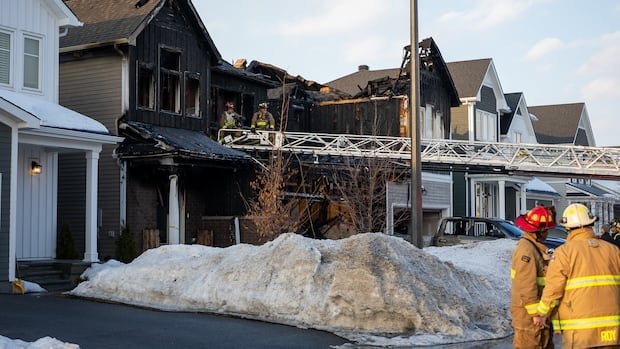

Ottawa Fire Services (OFS) is cautioning residents against overcharging lithium-ion batteries following a recent incident that led to the destruction of two homes in Richmond. Emergency responders rushed to Pelham Crescent after multiple reports of a house engulfed in flames just before 2 p.m. on Feb. 17. Prior to their arrival, the homeowner heard a popping noise emanating from the garage, indicating an issue. Upon opening the garage door, they discovered smoke and flames along the wall.
Firefighters managed to bring the blaze under control by around 3:20 p.m., but not before it spread to a neighboring residence, displacing its occupants. OFS later determined that the fire originated from a lithium-ion drill battery that was charging on top of a refrigerator in the garage. This marked the second fire in Ottawa this year caused by a similar battery, with the first incident occurring in January when a dog chewed through a heated ski glove powered by the same type of battery.
In response to these events, OFS has issued a safety advisory due to the rising concern over battery-related fires. OFS fire prevention officer Leanne Labbee highlighted that there have been approximately 60 fires involving lithium-ion batteries in Ottawa since 2022. Labbee emphasized the ubiquity of lithium-ion batteries in modern households, powering a wide array of devices such as laptops, electric toothbrushes, and even salt and pepper shakers.
Despite their prevalence, the explosive nature of lithium-ion batteries necessitates cautious handling. OFS recommends promptly unplugging batteries once fully charged to prevent overcharging, which can lead to explosions. Signs that a battery may be on the verge of catching fire include hissing sounds, expansion, or unusual odors. Ontario’s fire marshal also cautioned against charging batteries in freezing conditions, as this can cause damage.
Labbee noted that lithium-ion battery fires produce significantly more carbon monoxide compared to fires fueled by accelerants like gasoline, and extinguishing them with water can be challenging due to the battery’s chemical composition. Yaser Abu-Lebdeh from the National Research Council Canada explained that the higher voltage and energy density of lithium-ion batteries make them more effective but also increase the risk of explosion when tampered with or overcharged, leading to a thermal runaway effect.
While safer alternatives are still in development, Abu-Lebdeh mentioned progress in creating lithium-ion batteries with less flammable components. He expressed optimism about ongoing advancements in battery technology, hinting at imminent commercialization of these enhanced batteries.