

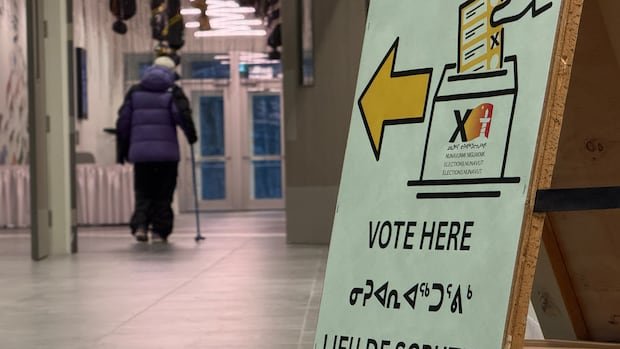

Nunavut’s upcoming territorial government is set to feature a blend of familiar faces and fresh entrants, as several former MLAs, including the deputy premier, were ousted in the recent election. Pamela Gross, the ex-deputy premier from Cambridge Bay, lost her position to Fred Pedersen, the executive director of the Kitikmeot Inuit Association, who secured over 50% of the votes. Incumbents Adam Arreak Lightstone in Iqaluit-Manirajak and former regular caucus chair Solomon Malliki in Aivilik also faced defeat.
The voter turnout stood at 37%, as reported by Elections Nunavut. Notable winners from Monday’s election include Craig Simailak in Baker Lake, John Main in Arviat-North Whale Cove, and David Akeeagok in Iqaluit-Niaqunnguu, among others. On the other hand, some new faces like Hannah Angootealuk in Avilik and Abraham Qammaniq in Ammituq emerged victorious.
Recounts are expected in at least three ridings due to close margins, notably in Pangnirtung, Quttiktuq, and Aggu. The election results were delayed, with only one winner announced before midnight. Kiran Situt, the chief electoral officer of Elections Nunavut, assured that all results will be posted promptly.
Voter turnout has been on a downward trend in Nunavut since its inception in 1999, with less than half of eligible voters participating in the recent election. Manitok Thompson, one of Nunavut’s early MLAs, attributed voter apathy to the government’s sluggish progress on critical issues like high living costs and housing shortages. The youth vote is crucial, considering that half of Nunavut’s population is under 25 years old.
With approximately 17,000 registered voters in this year’s general election, Nunavut operates on a consensus-style government without political parties. The selection of cabinet members, including the Speaker, premier, and ministers, occurs about two weeks post-election through a secret-ballot process.