

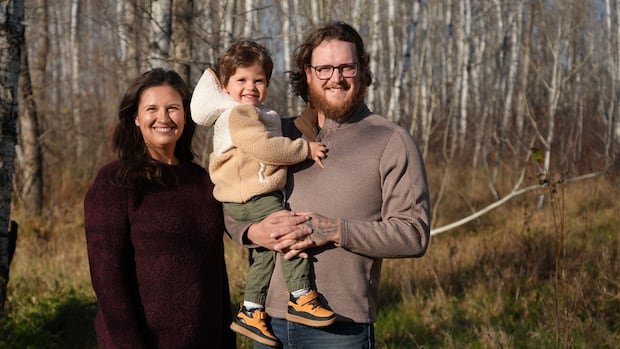

A week post Beau Friesen’s birth, his parents noticed troubling signs. Still, two years later, the exact cause remains a mystery. Seeking answers, the Grunthal, Man., couple is traveling to Florida. Beau experienced vomiting and a swollen stomach as an infant, prompting his first-time parents, Tanner and Jordana Friesen, to seek medical help. Specialists in various fields, including gastroenterology, orthopedics, neurology, and genetics, were consulted multiple times weekly, yet the root of his symptoms remains elusive.
Beau, now two years old, exhibits reduced muscle tone, leading to delayed crawling and walking, fatigue, and developmental delays affecting his motor skills and speech. The Friesens’ genetic counselor suggested consulting Dr. Parul Jayakar, a renowned pediatrician at the Undiagnosed Disease Clinic at Nicklaus Children’s Hospital in Florida. Through genome sequencing, they hope to uncover the underlying cause and receive a definitive diagnosis that could facilitate better care and support for Beau.
While the journey has been challenging, with unwavering support from loved ones and advocates, the Friesens remain hopeful for a breakthrough. The trip’s costs are not covered by Manitoba Health, prompting the family to start a fundraising campaign to cover expenses. Despite uncertainties, they are determined to find answers and provide Beau with the best possible care.
Dr. Patrick Frosk, Manitoba’s provincial specialist for genetics, highlights the province’s genetic testing advancements. He emphasizes the importance of full genome sequencing for comprehensive diagnostics and treatment planning. The rapidly evolving field of genetic testing offers hope for accurate diagnoses and potential therapeutic interventions, emphasizing the significance of early detection for improved outcomes.
As the Friesens embark on their journey, they remain optimistic, knowing that even without immediate answers, the testing process may eventually lead to crucial insights. The future of genetic therapy holds promise, offering potential solutions for individuals like Beau with complex medical conditions.