

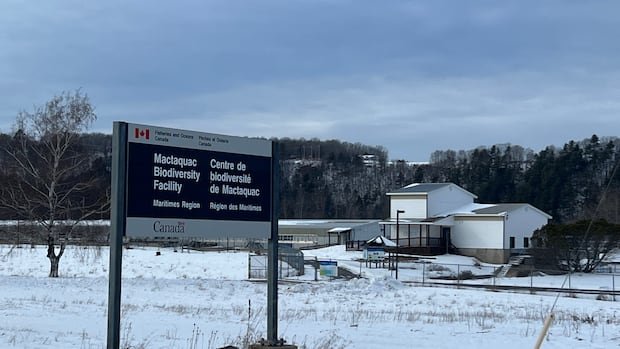

The closure of the Mactaquac Biodiversity Facility in New Brunswick has drawn criticism from the Wolastoqey Nation, along with Atlantic salmon experts and conservationists. This facility, situated below the Mactaquac Dam on the St. John River, consists mainly of a hatchery in French Village. The decision by the Department of Fisheries and Oceans to shut down this facility, as well as another one in Coldbrook, N.S., has raised concerns among stakeholders.
The discontinuation of the Atlantic salmon live gene bank program, which was a key project at these facilities, has also been announced. The Wolastoqey group, providing guidance to six Wolastoqey communities, expressed disappointment at not being consulted about the closure, emphasizing the impact on the Wolastoqiyik people, their rights, and the salmon species in the river.
Multiple programs, overseen by experts like Tommi Linnansaari from the University of New Brunswick, are run at the Mactaquac biodiversity facility. These programs involve collecting wild brood stock, fertilizing eggs, releasing baby salmon, and managing juvenile salmon born in the wild. The closure of the hatchery could have dire consequences for salmon populations in the region, with experts warning of potential extinction threats.
David Roth, the New Brunswick program director for the Atlantic Salmon Federation, highlighted the critical role of the hatchery in sustaining salmon populations in the St. John River. The closure of the facility and halting of stocking programs could be catastrophic for the species. The Wolastoqey Nation is assessing the repercussions of this decision, including its impact on employment, training opportunities, and salmon conservation efforts.
The agreement signed in 1968 between the federal government and N.B. Power, establishing the Mactaquac Biodiversity Facility, aimed to mitigate the ecological effects of the Mactaquac Dam. However, the closure decision has raised questions about fulfilling obligations under fisheries legislation. N.B. Power confirmed changes at the facility but assured collaboration with the Department of Fisheries and Oceans during the transition.
While the federal fisheries department did not provide specific details on the closure, experts believe cost-cutting measures might have led to this decision. There are hopes for revamping recovery programs or finding alternative funding sources to sustain salmon conservation efforts. The closure of the hatchery could jeopardize decades of work and put salmon populations at further risk, emphasizing the need for proactive measures to protect the species.