


The motion put forward by Conservative Leader Pierre Poilievre for a new oil pipeline to the Pacific was rejected by the Liberal government on Tuesday. Despite this, ministers affirmed that Ottawa remains committed to the memorandum of understanding signed with Alberta recently.
The defeated motion, inspired by the agreement between Prime Minister Mark Carney and Alberta Premier Danielle Smith, urged support for at least one pipeline transporting a million barrels of Alberta bitumen for export to Asia. The vote saw the Bloc, NDP, and Greens aligning with the Liberals in a 196 to 139 outcome.
The Conservatives introduced the motion as a non-binding tactic to highlight divisions within the Liberal caucus regarding the pipeline issue. They aimed to pressure Carney to demonstrate his dedication to pipeline construction.
In response, Natural Resources Minister Tim Hodgson criticized Poilievre’s motion as selective, focusing solely on the pipeline aspect of the comprehensive agreement. Hodgson mentioned other significant components, such as electricity connections to neighboring provinces, nuclear energy projects, and a large-scale carbon capture initiative, which the motion overlooked.
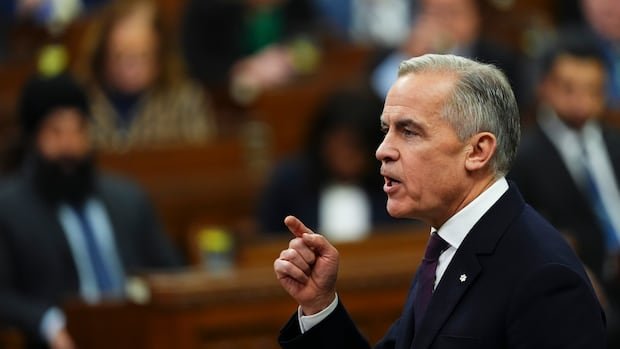
Carney challenged Poilievre to present the entirety of the memorandum for a Commons vote, emphasizing that the pipeline’s progress hinges on meeting all conditions outlined in the deal. Carney stressed the importance of considering the complete agreement, likening it to consuming a full meal rather than just an appetizer.
Despite attempts by Poilievre to amend the motion to encompass Indigenous co-ownership, environmental commitments, and collaboration with British Columbia, the Liberals indicated they would oppose it due to overlooking key environmental aspects of the Carney-Smith agreement, such as the industrial carbon tax.
The Liberal MPs affirmed their support for the pipeline and the entire memorandum, distancing themselves from what they deemed as political gamesmanship by the Conservatives. They emphasized the importance of consultations with Indigenous communities and environmental considerations in the decision-making process.
The future of the pipeline project remains uncertain, with differing opinions among Indigenous groups and political parties. While some advocate for economic benefits and job opportunities, others raise concerns over environmental risks and Indigenous rights. The government aims to move forward with the project, prioritizing national interests and economic growth.