


When considering cancer risk factors, many individuals immediately think of sun exposure, smoking, and genetic predispositions. However, recent studies indicate that infections, often overlooked, are responsible for one in eight cancer cases globally.
A newly released paper in The Lancet Oncology has established a connection between approximately 2.3 million new cancer diagnoses anticipated in 2024, which represents 12 percent of all newly identified cases, and these infectious organisms.
This research was conducted by a team at The International Agency for Research on Cancer (IARC), a branch of the World Health Organization. Their findings revealed that the highest number of cancer cases linked to infections worldwide stemmed from the bacterium Helicobacter pylori, which heightens the likelihood of stomach cancer, contributing to 760,000 cases, mainly in eastern Asia.
Following closely was the Human papillomavirus (HPV), responsible for all cervical cancer cases and also linked to anal, vulvar, vaginal, penile, and certain head and neck cancers. HPV accounted for nearly 750,000 new cases globally, particularly prevalent in sub-Saharan Africa. Additionally, Hepatitis B virus (HBV) and Hepatitis C virus (HCV) were associated with a notable number of liver cancer diagnoses.
For the first time, researchers have expanded the list of cancers connected to infections, adding 16 more types.
Gary Clifford, a cancer epidemiologist and co-author of the study based in Lyon, France, noted the significant advancements in scientific understanding.
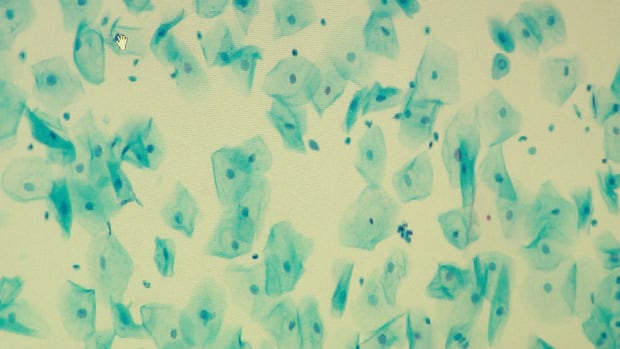
While family history and smoking remain better-known cancer risk factors, a new study shows one in eight cancer cases worldwide are caused by infections such as HPV, the bacterium H. pylori and Epstein-Barr virus.
“New infectious agents have been identified as cancer-causing, and the evidence has strengthened regarding the variety of cancers associated with those previously known agents,” he explained.
Among these newly recognized agents are HIV and its relationship with cervical cancer, along with a rare virus called Merkel cell polyomavirus, which can cause an aggressive skin cancer.
To derive their figures, researchers first identified which infections are carcinogenic, then calculated the proportion of cancers attributable to specific infections, applying these estimates to global cancer case databases.
Another notable shift is the acknowledgment of the Epstein-Barr virus (EBV). In 2024, EBV was linked to approximately 260,000 cases worldwide, with associations to nasopharyngeal cancer, certain gastric cancers, and Hodgkin’s lymphoma.
“This represents a significant cancer burden caused by Epstein-Barr virus, which had not previously been acknowledged but is now recognized,” Clifford stated.
EBV is also a significant risk factor for developing multiple sclerosis, and unlike some other infections that have vaccines or antibiotic treatments, there are currently no tools available to combat it.
“The increasing burden of chronic diseases associated with Epstein-Barr highlights the need for focused prevention efforts,” he noted.
The global findings underscore significant regional disparities, primarily due to historical inequalities, according to the researchers. High-income nations that have implemented cancer screening and vaccination initiatives over recent decades exhibit much better outcomes compared to lower- and middle-income countries where access to preventive measures and treatment remains limited.
“We still have considerable work ahead to implement known effective measures that have not been widely adopted across all populations globally,” Clifford emphasized.
In North America, the incidence of cancer-related infections is significantly lower, with H. pylori and HPV identified as the most prevalent culprits.
Infections causing cancer in Canada
In Canada, a 2019 study estimated that infections accounted for approximately four percent of cancer cases. The research team, led by Karena Volesky, an epidemiologist in Montreal, conducted this work while at McGill University.
“These new global figures highlight the significance of each of the 12 infections involved,” Volesky commented.
Despite the lower prevalence of these infections in Canada, her research indicated they result in over 7,000 cancer diagnoses annually.
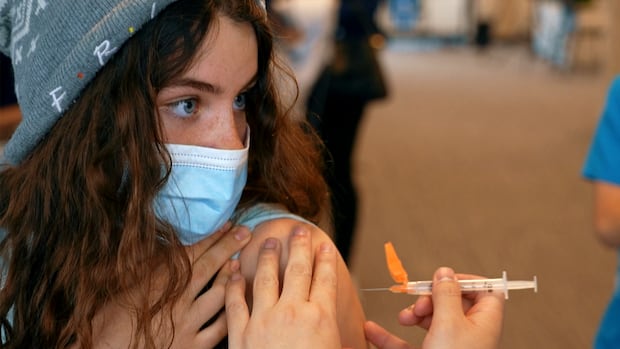
Doctors say Canada is facing a silent health crisis of HPV-related cervical cancer that could be prevented if more people got vaccinated against human papillomavirus, the virus that can cause the disease.
“HPV is certainly an infection that we’re monitoring closely in Canada,” stated Elizabeth Holmes, the director of health policy at the Canadian Cancer Society.
Holmes mentioned that cervical cancer rates in Canada had consistently declined due to effective childhood vaccination programs, but leveled off last year.
“This is concerning — without a renewed decline, we may not achieve our target of eliminating cervical cancer by 2040,” she remarked.
HPV is spread through sexual contact, but the vaccination protects against the most prevalent strains that can lead to cancer.
Canada’s cervical cancer elimination strategy aims to boost vaccination rates to 90 percent, increase screening rates to 90 percent, and ensure timely follow-up care post-screening.
“Currently, only about five provinces have rates above 80 percent, with at least one falling to as low as 66 percent,” Holmes added.

An at-home self-testing HPV kits in Vancouver, British Columbia in January 2024. (Ben Nelms/CBC)
The stomach bacteria that can lead to cancer
The infection most commonly associated with cancer cases is Helicobacter pylori, a bacterium identified in the early 1980s that primarily leads to gastric cancers. While the research highlighted a significant burden in eastern Asian countries like Japan, South Korea, and China, it remains a concern in Canada as well.
“It is a dreadful way to die,” remarked Dr. Paul Moayyedi, a prominent researcher and gastroenterologist at McMaster University. Approximately 2,000 Canadians succumb to stomach cancer each year.
Moayyedi advocates for the implementation of a universal screening program for this bacterium, which can be detected via blood or breath tests, stool samples, or endoscopy, and treated with a regimen of antibiotics over two weeks.
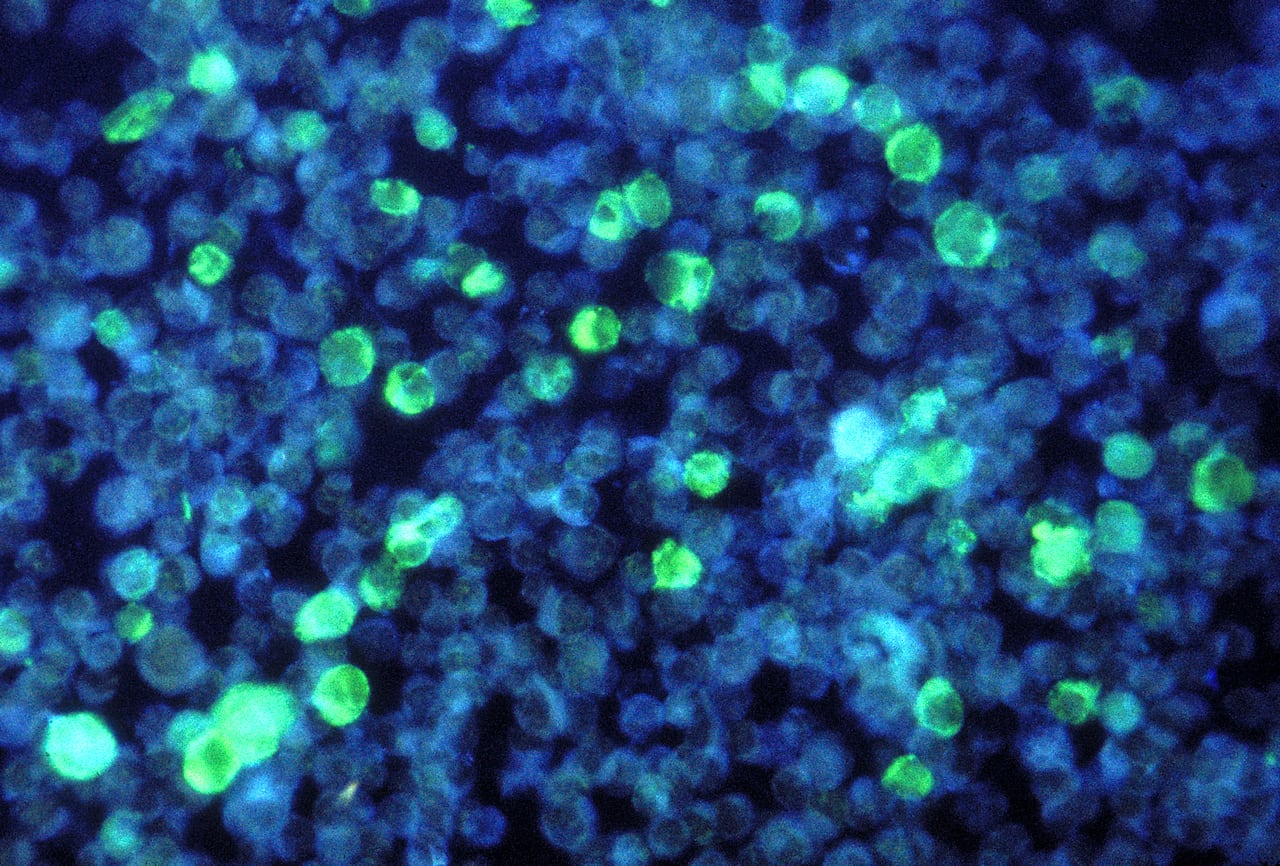
A microscopic image showing leukemia cells in blue that contain Epstein-Barr virus using a fluorescent stain that causes affected cells to glow green under ultraviolet light. (Paul M. Feorino/CDC)
Helicobacter pylori is often linked to crowded living conditions and inadequate sanitation during childhood. While many individuals with the bacterium can lead normal lives without issues, untreated infections can lead to ulcers and stomach cancer in some.
Moayyedi believes stomach cancer is not prioritized as highly as other cancers, yet suggests that screening programs for high-risk groups, such as those with a family history of stomach cancer or First Nations communities, could save lives.
“It would be beneficial to offer screening to those groups if they express interest, in consultation with local community elders,” he concluded.