

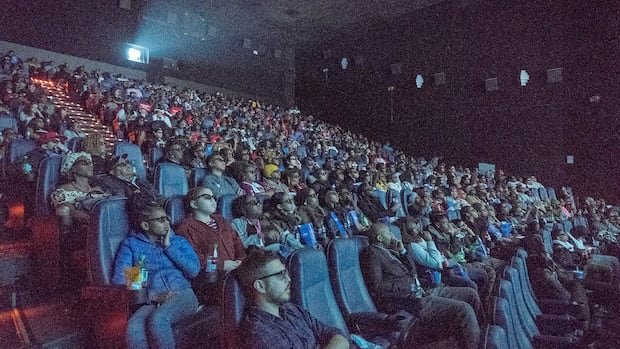

Sonya Yokota William expressed concern over Netflix’s proposed acquisition of Warner Bros. Discovery’s TV and film studio, fearing it could jeopardize the traditional moviegoing experience. Despite Netflix’s assurance to maintain current operations, including theatrical releases, industry stakeholders remain wary of the streaming giant’s stance on cinema showings.
The $72 billion US deal for Netflix to acquire Warner Bros. Discovery’s assets, pending regulatory approvals, has sparked industry debates. Paramount Skydance’s hostile takeover bid of $108.4 billion US has added to the uncertainties surrounding the future of movie theatres.
Industry analysts note a demand for cinema experiences but emphasize the need for more attractive offerings to entice customers, citing rising costs as a deterrent. Concerns have been raised over the potential impact on the global exhibition business, with the risk of a significant portion of the domestic box office being affected by the shift in release strategies.
Netflix’s minimal theatrical releases, primarily for award considerations, have drawn criticism for their token nature. The industry also questions Netflix’s commitment to sustaining traditional theatrical windows and the impact on movie revenue. The bidding war over Warner Bros. has reignited discussions on the evolving movie-viewing landscape and the importance of providing compelling reasons for audiences to visit theatres.
The pushback against extended exclusive windows, shorter theatrical release periods, and changing consumer habits have reshaped the industry’s dynamics. Analysts stress the value of exclusive theatrical windows and the need for studios to adapt their marketing strategies to attract audiences back to theatres, positioning the cinema experience as a premium and unique offering.