

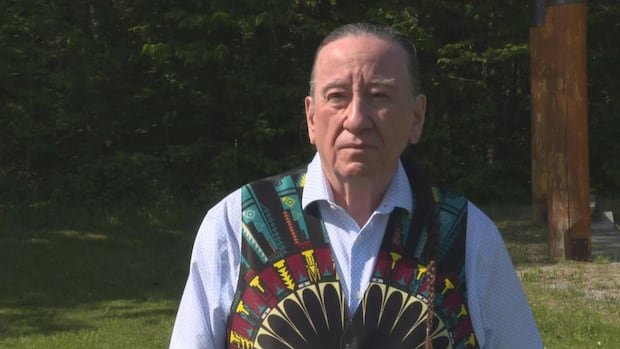

Gilbert Whiteduck emphasizes the significance of repatriating Indigenous artifacts from the Vatican museum as a crucial step towards reconciliation. However, he highlights the importance of handling these items with utmost respect for their sacred nature. According to Whiteduck, the process of repatriation should involve ceremonial practices to honor the sacredness of the artifacts before their return to their original communities.
Assembly of First Nations National Chief Cindy Woodhouse Nepinak recently announced that discussions are underway to repatriate several First Nations items from the Vatican Museums. The Canadian Catholic Church and the Vatican are reportedly working towards an agreement to return the objects by the end of the year, with the Canadian Conference of Catholic Bishops facilitating the process.
Whiteduck expresses the need for more transparency in the repatriation discussions, as he has had to rely on online sources for information and there has been no official list of potentially returned objects to his community. The planned return of the artifacts in a “church-to-church” donation process is contested by Cheyenne Lazore, who believes that each First Nation should have the opportunity to identify and claim their specific cultural belongings.
The artifacts are expected to be temporarily housed at the Canadian Museum of History in Gatineau, Quebec, where Indigenous representatives will collaborate with experts to determine their rightful destinations. Efforts for repatriation have been ongoing for years, with Indigenous organizations advocating for the return of items taken during the residential school era.
During a meeting with Pope Francis in 2022, Indigenous leaders viewed the artifacts at the Vatican Museums, renewing calls for repatriation following the appointment of Pope Leo XIV. Whiteduck stresses the need for understanding the historical context and significance of these objects, which hold deep cultural and spiritual meanings for Indigenous communities beyond their physical presence.
Lazore acknowledges the potential of returning the items to bring some peace to communities but emphasizes that true reconciliation is far from complete, especially considering the historical trauma associated with residential schools. Many of the Indigenous artifacts at the Vatican were donated in the 1920s after a request from Pope Pius XI, contributing to the museum’s permanent collection, including items such as a human face mask from Haida Gwaii, a kayak from Inuvialuit, and a pair of beaded moccasins.