

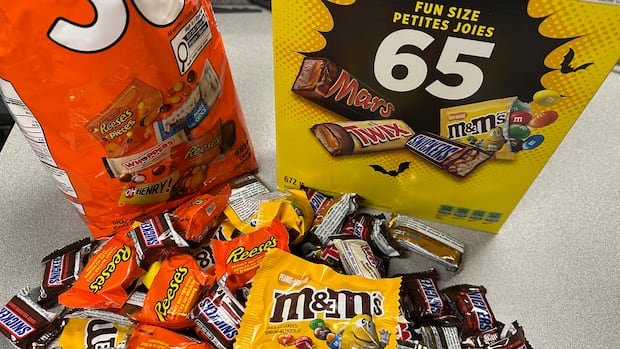

The cost of Halloween chocolate treats may rise this year due to increased cocoa prices, potentially leading to shrinkflation tactics by companies. Major candy makers like Mars Inc. and the Hershey Company have decreased the weight of Halloween chocolate bar variety packs by nearly 17% compared to the previous year. Despite the weight reduction, the number of candy bars in the packs remains the same.
Companies often cite changing customer preferences as a reason for such adjustments, without providing specific examples. Shrinkflation, the practice of reducing product weight without adjusting prices, is a strategy employed by companies to offset rising production costs. Consumer advocates are calling for more transparency regarding these changes to allow shoppers to make informed decisions.
The surge in cocoa prices, which have more than doubled in recent years, is attributed to adverse weather conditions in West Africa, the primary global cocoa supplier. This has resulted in challenges for small cocoa farms to recover, impacting the overall cocoa supply chain. Statistics Canada reports a 10% increase in confectionery prices, including chocolate, over the past year.
Efforts to address shrinkflation include calls for increased transparency from food producers and government intervention to require notifications on product packaging when weight reductions occur. Some countries already mandate such disclosures to protect consumers. However, monitoring and enforcing these regulations pose challenges, raising questions about penalties for non-compliance.
In response to consumer concerns, the Canadian government has initiated a grocery task force to investigate retail practices like shrinkflation. Additionally, Innovation, Science and Economic Development Canada has funded research projects to analyze harmful retail practices, including shrinkflation, and provide online tools like the Food Price Data Hub to aid consumers in making informed purchasing decisions.