

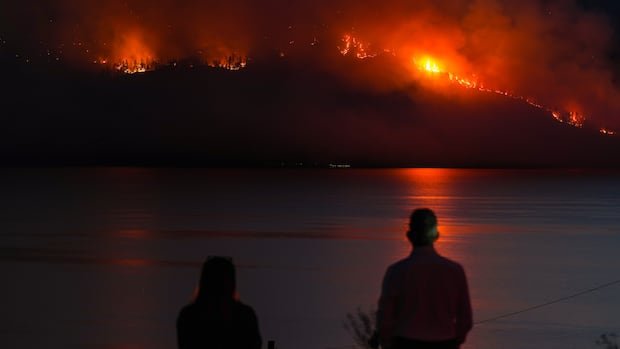

Amidst rising global temperatures, a significant El Niño event is making a comeback, impacting weather patterns worldwide. The recent scorching heatwaves in North America and Europe, leading to numerous heat-related fatalities, dried-up rivers, and extensive wildfires, are coinciding with this phenomenon. While El Niño isn’t directly responsible for these extreme weather events, climate scientists warn that its interaction with climate change could exacerbate the situation.
According to NASA’s climate scientist Josh Willis, the current El Niño is forecasted to have far-reaching effects across a vast area. This natural occurrence occurs every three to seven years, altering weather patterns by heating the air above the Pacific Ocean surface. The resulting effects include a shift in rainfall distribution, causing wet regions to dry up and vice versa.
Moreover, this El Niño, comparable in strength to those experienced in 2015-16 and 1997-98, is expected to persist into the next year. Climate models suggest that regions like Canada and the northern U.S. may experience warmer winters, while British Columbia’s south coast could witness reduced precipitation and snowpack levels. Conversely, the southern U.S. might encounter a wetter winter season.
The impact of El Niño is not limited to North America but extends to regions like Peru and Ecuador facing heavy rains and droughts. The phenomenon also influences tropical storm activity, with fewer hurricanes in the Atlantic but heightened storm activity in the Eastern Pacific. This year has already witnessed several significant storms, including Category 5 Hurricane Genevieve and Tropical Storm Lala.
The current El Niño occurring in a world already grappling with human-induced climate change poses challenges for climate scientists. The combination of these factors could lead to unforeseen consequences and prolonged effects well into 2027. The ongoing climate crisis necessitates continuous monitoring and research to understand and mitigate the impacts of such extreme weather events on a global scale.