

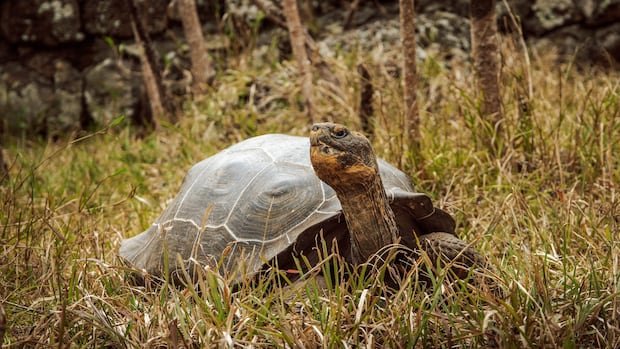


Giant tortoises have made a remarkable comeback on Floreana Island in the Galápagos archipelago after an absence of over 180 years.
Recently, 158 juvenile hybrids were reintroduced to the island as part of a program that aims to revive the population of these iconic creatures, which were once abundant but vanished due to historical human activities like whaling and habitat destruction.
James Gibbs, a conservation biologist involved in the project, likened the moment to witnessing his children’s first steps, describing the eager young tortoises as they embarked on their exploration of their new environment.
These juvenile tortoises are expected to reach weights of up to 600 pounds within the next couple of decades. The release of these tortoises is part of a comprehensive plan to gradually reintroduce a total of 700 individuals to Floreana Island.
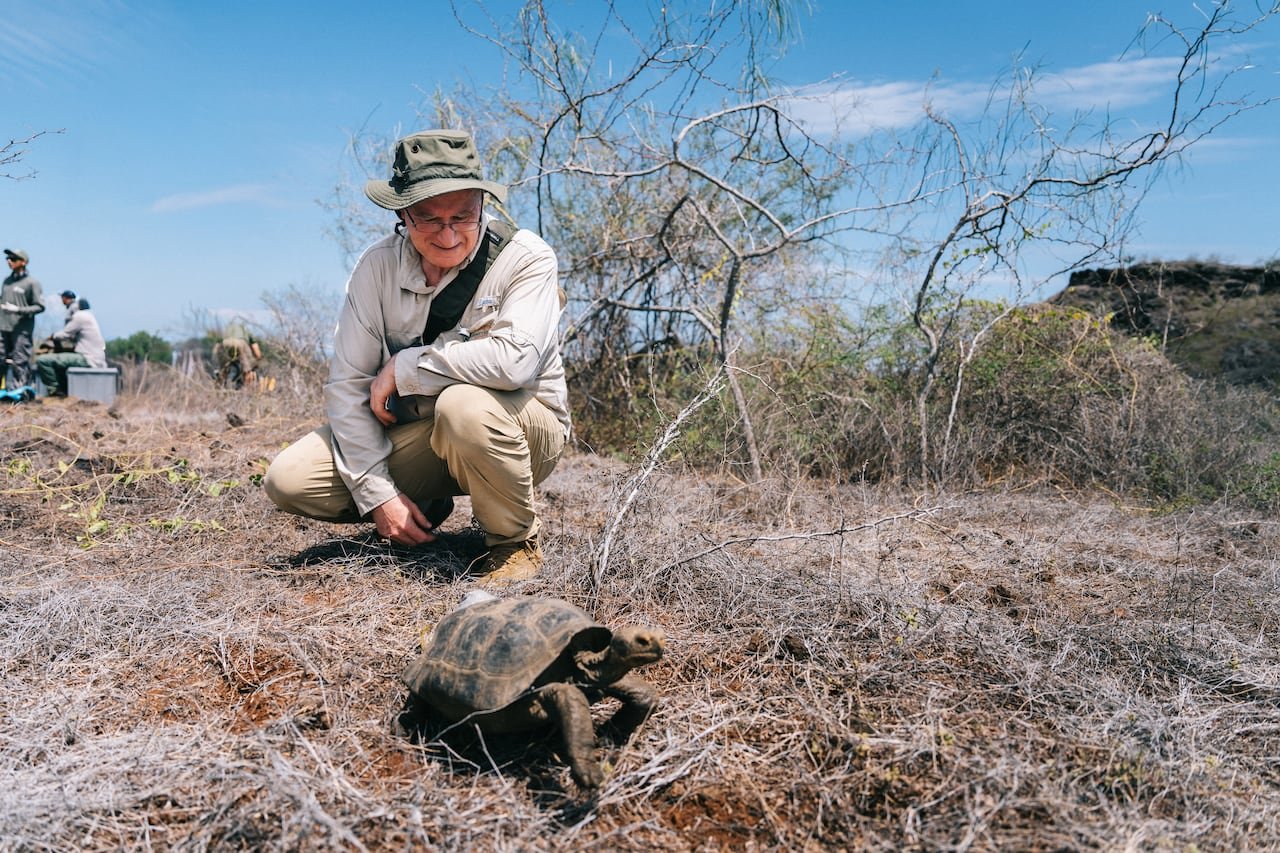
Biologist Washington Tapia emphasized the genetic significance of reintroducing these tortoises to their native habitat, highlighting the importance of restoring the island’s original species composition.
The successful reintroduction of these tortoises aims not only to bolster their numbers but also to contribute to the overall ecosystem restoration of Floreana Island over time, considering these creatures’ long lifespans that can extend beyond a century.
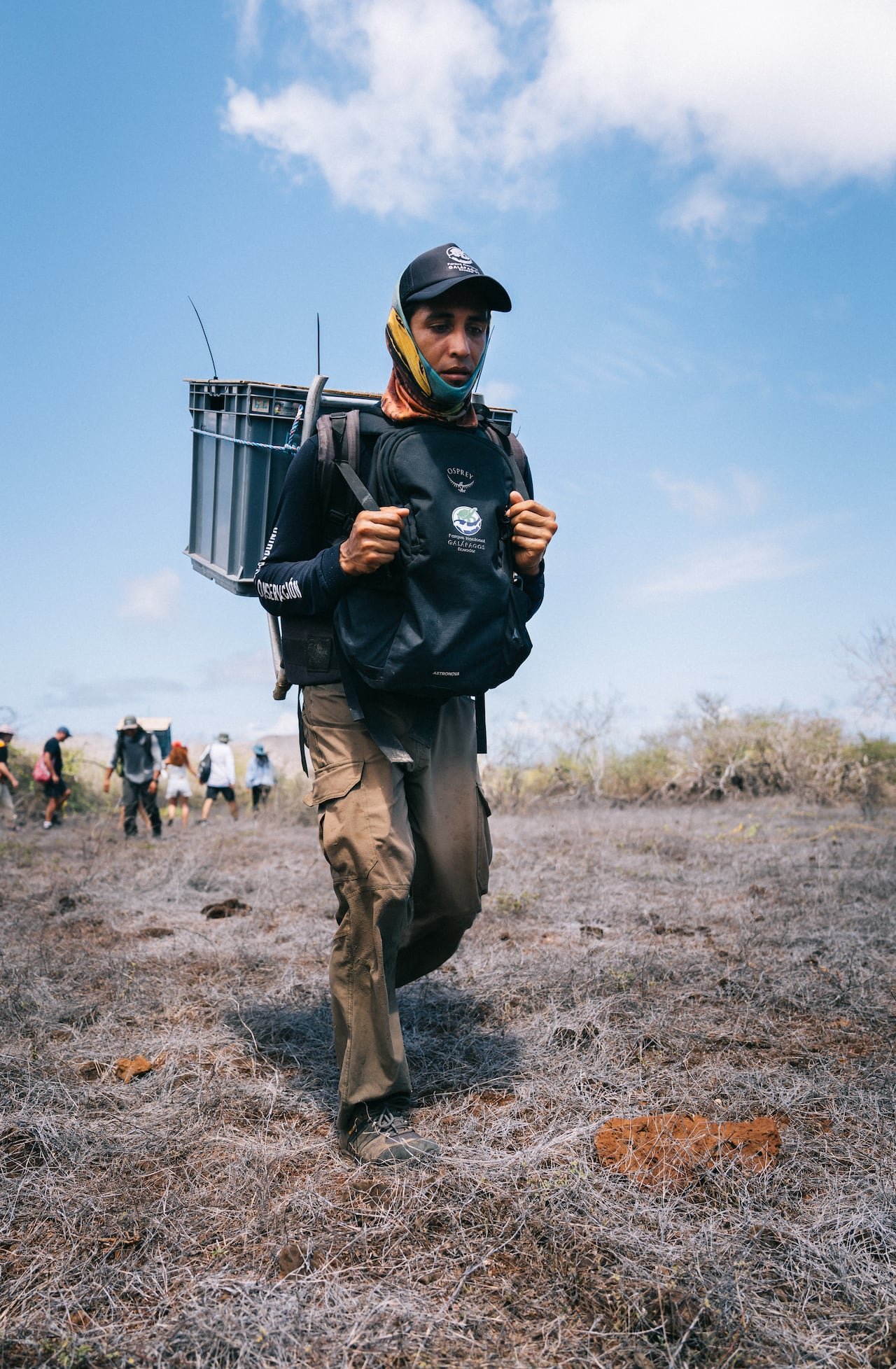
The release
The release of the tortoises was a labor-intensive process, with park rangers physically carrying the juveniles to designated release sites across the island’s varied terrain. The tortoises were strategically divided into groups to ensure their adaptation to different ecological zones.
While the tortoises now coexist