


A former British paratrooper, identified as Soldier F, has been acquitted of murder charges related to the 1972 Bloody Sunday massacre in Northern Ireland. Judge Patrick Lynch, presiding over the trial at Belfast Crown Court, concluded that the evidence presented by prosecutors was insufficient to prove that Soldier F had shot unarmed civilians during the tragic event.
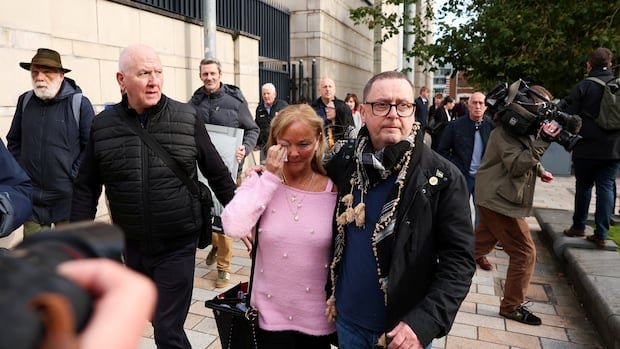
The verdict, which exonerated Soldier F of two counts of murder and five counts of attempted murder, was a disappointment to the families of the victims who have long sought justice for the deadly incident that took place in Londonderry. The Bloody Sunday massacre saw 13 individuals killed and 15 others wounded in a moment that epitomized the conflict between supporters of a united Ireland and those who favored remaining part of the United Kingdom.
While tensions from The Troubles era have subsided since the Good Friday peace accord of 1998, families of the victims persist in their pursuit of justice. On the other hand, advocates for army veterans argue that they have been unfairly targeted in investigations and that their losses have been diminished.
During the trial, Soldier F denied the charges against him, asserting that he had discharged his duties as a soldier appropriately but had no clear recollection of the specific events of that day. Despite the acquittal, Judge Lynch criticized the Parachute Regiment soldiers for their lack of military discipline, condemning the shooting of unarmed civilians.
The prosecution’s case heavily relied on statements from Soldier F’s comrades, one of whom had passed away, while the other refused to testify. The defence criticized these statements as unreliable, emphasizing that they could not be challenged through cross-examination.
Following the verdict, supporters of Soldier F expressed relief, highlighting the lengthy legal scrutiny he had endured. The complex legacy of The Troubles remains a challenge for the British government, which aims to address the historical period in a manner that offers closure to victims and their families.
Soldier F’s prosecution was delayed for years despite a government inquiry in 2010 confirming that troops had shot unarmed civilians and engaged in a cover-up. Former Prime Minister David Cameron issued an apology for the unjustifiable killings. The eventual trial of Soldier F faced numerous delays before concluding with his acquittal.