

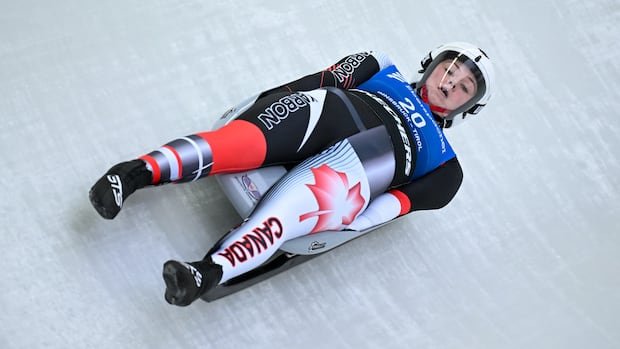

In an ideal scenario, Canadian luger Caitlin Nash would be reaching her peak form in preparation for the 2030 Olympics. However, Nash expressed concerns about her ability to continue competing due to financial constraints. The lack of financial sustainability is forcing athletes like Nash to consider early retirement, a decision not of their choosing. Nash emphasized that without significant changes, many athletes across various sports in Canada may opt to retire post the current quadrennial cycle.
Over the last two decades, federal funding for sports in Canada has remained stagnant, failing to keep up with the inflation rate that has surged prices by over 50 percent. This financial stagnation has led to a recent revelation that some national sport organizations are facing imminent budget cuts from the government. While the overall funding may remain constant, the rising operational costs have forced NSOs to increase fees for athletes across different levels, including senior national teams and youth registrations.
Nash highlighted the escalating costs she faces, with team fees for the current Olympic season amounting to $25,000, a sharp increase from the previous season’s $20,000. Similarly, athletes in Bobsleigh Canada Skeleton (BCS) have witnessed a drastic rise in team fees, soaring from $2,000 in 2022 to $25,000 this season. Despite a partial reduction through corporate sponsorships, the burden on athletes has intensified, with additional expenses for travel and accommodations now falling on individual athletes.
Even Olympic medalists like speed skater Isabelle Weidemann are feeling the financial strain, with Weidemann revealing her personal debt due to covering costs that Speed Skating Canada can no longer support. The funding disparity between Canada and other leading nations has raised concerns among stakeholders, urging for increased investments from all sectors, including the government and corporate entities.
The existing sport funding model in Canada relies primarily on government and corporate contributions, with Sport Canada directing resources to support athletes, NSOs, and event hosting. The recent federal budget proposal falls short of the substantial increase requested by the Canadian Olympic Committee, underscoring the pressing need for enhanced financial support to sustain the country’s sporting ecosystem.
Athletes can access limited financial aid through programs like the Athletes Assistance Program, but the current funding levels are insufficient to cover escalating expenses, such as team fees and travel costs. The financial challenges extend to NSOs, with organizations like BCS experiencing funding cuts that have directly impacted athletes.
The funding crisis has put the Canadian sport system at a crossroads, where athletes and organizations must navigate financial constraints to continue their pursuit of excellence. The future sustainability of Canadian sports hinges on substantial investments and collaborative efforts from all stakeholders to ensure the longevity and success of athletes and organizations alike.