

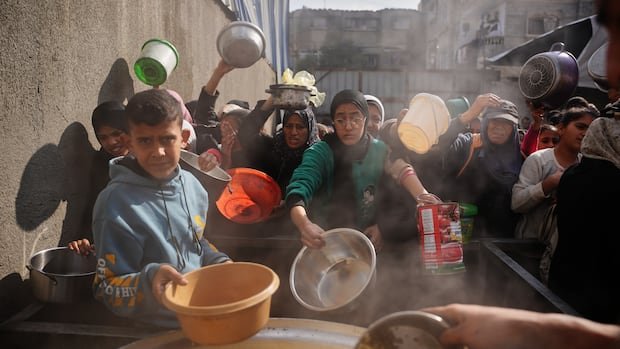

An international food security monitor announced on Friday that the famine situation in Gaza has significantly improved, attributed to enhanced access to humanitarian aid and commercial food supplies since a fragile ceasefire was established on October 10 between Israel and Hamas, the Palestinian militant group.
The Integrated Food Security Phase Classification (IPC) provided the latest evaluation, indicating a positive shift from four months ago when it reported that approximately 514,000 individuals in Gaza, accounting for almost a quarter of the population, were facing famine conditions. Despite this progress, the IPC cautioned that the region’s status remains precarious.
According to the IPC report, if a worst-case scenario unfolds, involving renewed hostilities and disruptions in aid flows, Gaza could face the risk of famine until mid-April 2026, highlighting the persistent humanitarian crisis. While United Nations Secretary-General Antonio Guterres acknowledged the improvements in addressing famine, he emphasized the fragile nature of these gains, noting that the needs continue to outpace the available aid.
Israel, as the controlling authority over Gaza’s access points, disputed the famine claims, asserting that a substantial volume of aid, primarily food supplies, has been entering Gaza daily since the ceasefire commenced in October. However, aid agencies and Hamas contend that the aid inflows remain insufficient, with allegations of impediments hindering the required supplies from reaching the enclave.
The IPC highlighted that 100,000 individuals in Gaza are currently facing catastrophic conditions, with over 31,000 severe cases of acute malnutrition among young children anticipated. Despite signs of improvement and increased access to food, the crisis in Gaza persists, underscoring the necessity for sustained humanitarian efforts to avert a resurgence of famine and preventable deaths.
Medical professionals in Gaza reported a slight improvement in malnutrition cases but emphasized the continued prevalence of the issue, especially among vulnerable groups like children and pregnant women. Efforts to address the crisis are ongoing, with challenges persisting in ensuring efficient and timely aid deliveries to Gaza. The international community and aid organizations have called for a durable ceasefire, streamlined access to Gaza, and sustained funding to address the humanitarian crisis effectively.