

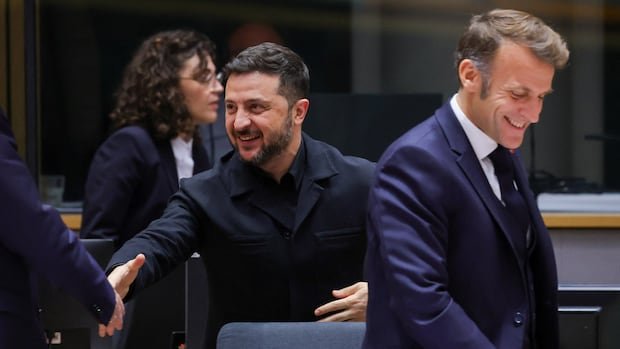

The European Union has approved fresh sanctions against Russia, specifically targeting its covert oil tanker fleet and prohibiting the importation of liquefied natural gas. Additionally, EU leaders have endorsed the Readiness 2030 plan to enhance Europe’s defense capabilities against external threats by the end of the decade.
The Readiness 2030 strategy comes in response to growing concerns about Russia testing the bloc’s defenses. Leaders at the Brussels summit highlighted the urgency of addressing Russia’s aggressive actions in Ukraine, emphasizing the need for concrete projects to be initiated in the first half of 2026 as outlined in the plan developed by the European Commission.
A key focus of the plan is the establishment of drone defense systems to identify, monitor, and neutralize unauthorized drones that have been intruding into European airspace, particularly near border regions with Russia, Belarus, and Ukraine. The proposed European Drone Defence Initiative is part of the broader Eastern Flank Watch program aimed at bolstering defenses across the eastern borders of Europe on land, in the Baltic and Black seas, and in the air against hybrid threats.
The European Commission estimates that defense spending in the EU for this year will reach approximately 392 billion euros, nearly double the amount from four years ago before Russia’s invasion of Ukraine. Over the next decade, it is projected that defense expenditures could total around 3.4 trillion euros. To support this, the Commission plans to propose an increase in the EU’s long-term defense budget.
The newly imposed sanctions on Russia are part of a broader strategy to cut off funding that sustains Moscow’s military campaign in Ukraine and compel President Vladimir Putin to engage in negotiations to end the conflict. While Russian state media downplayed the effectiveness of these measures, Ukrainian President Volodymyr Zelenskyy welcomed the sanctions as a crucial step towards holding Russia accountable for its actions.
Despite ongoing peace efforts led by the United States, the conflict in Ukraine shows no signs of resolution after more than three years of warfare. European leaders remain vigilant about the Russian threat, as Ukraine continues to resist Russian incursions along its borders, with both sides engaging in strategic strikes targeting critical infrastructure.
The EU’s latest sanctions encompass restrictions on Russian oil and gas sectors, the shadow fleet of oil tankers evading sanctions, and the financial industry. Additionally, a new protocol limiting the movement of Russian diplomats within the EU will be implemented. Zelenskyy called for more countries to join in imposing sanctions on Russia, signaling a united front against Moscow’s aggression.
Amid debates among European and U.S. officials on escalating pressure on Russia, the Kremlin denounced the new U.S. sanctions as counterproductive and detrimental to resolving the Ukrainian conflict through negotiations. The EU’s decision-making process for sanctions against Russia has been deliberate, with 18 rounds of sanctions already imposed, highlighting the challenges in reaching consensus within the bloc.
As tensions persist, both Russia and Ukraine continue to engage in hostilities, with recent reports of drone strikes resulting in casualties and destruction on both sides. The conflict remains a focal point of international concern, with efforts to de-escalate the situation facing significant hurdles.