

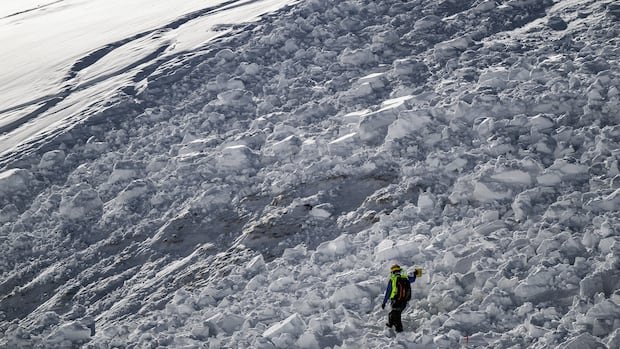

In February, several fatal avalanches occurred in British Columbia, Alberta, California, Utah, and Europe, claiming numerous lives. These incidents serve as stark reminders of the inherent dangers of backcountry activities, even for experienced individuals prepared for avalanche risks. Predicting when an avalanche might occur remains a significant challenge.
Avalanche experts, including Simon Horton from Avalanche Canada and Ethan Greene from the Colorado Avalanche Information Center, explain that avalanches result from snow masses moving rapidly, typically downhill, triggered by a combination of strong and weak snow layers under stress. The structure of a snowpack is dynamic and evolves with each weather event, influencing avalanche conditions.
Various types of avalanches exist, ranging from loose sluffs to cohesive slab avalanches, with slab avalanches deemed the most hazardous. Despite advancements in data collection and analysis, predicting avalanches accurately remains complex due to the unique nature of each snowpack and the influence of weather patterns.
Climate change may impact avalanche occurrences as rising global temperatures alter snowfall patterns. Researchers indicate that while total precipitation is crucial for avalanches, changes in snow quality and quantity due to temperature variations can affect avalanche risks differently based on elevation. Unpredictable weather patterns linked to climate change might contribute to weaker snowpack layers, potentially heightening risks for backcountry enthusiasts.
Experts emphasize the importance of proper preparation, including checking local forecasts, carrying essential gear, and undergoing avalanche safety training before engaging in outdoor activities. Establishing clear group rules and effective decision-making processes within teams can also help mitigate risks associated with avalanches.
In conclusion, understanding the intricacies of avalanche formation, monitoring weather conditions, and practicing caution are essential steps to enhance safety in backcountry environments.