


The Conservative and NDP caucuses are facing a dilemma regarding the upcoming federal budget and whether they should participate in a potential election-triggering vote, according to various sources. Key Conservative figures indicate a reluctance towards an election currently, yet they are hesitant to support the new Liberal government’s budget due to concerns about aligning with Prime Minister Mark Carney and policies they do not endorse.
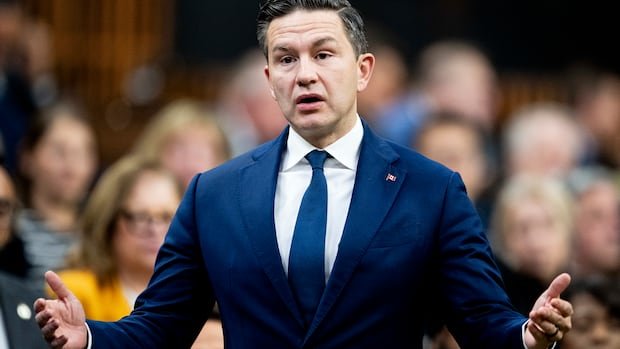
Speculation is circulating within the Conservative camp that the Liberals might not secure enough votes for the budget to pass in the House upon its presentation. Conservative Leader Pierre Poilievre has outlined specific demands to the Liberals in exchange for their budget votes, such as eliminating the industrial carbon tax and capping the deficit under $42 billion. However, these demands are unlikely to be met as the government has shown no willingness to entertain them.
The Bloc Québécois has also presented substantial demands, including increased Old Age Security benefits and enhanced health transfers, which are improbable to be fully implemented due to the government’s focus on fiscal restraint. Despite this, the Liberals have accommodated some of the Bloc’s requests, such as cracking down on tax evasion schemes in the trucking industry.
Discussions have taken place between the Conservatives, the NDP, and the Bloc on how to handle the budget vote. The possible scenario involves some NDP MPs abstaining from voting, potentially allowing the budget to pass without the NDP fully endorsing the Liberal agenda. The NDP, facing financial constraints and lacking a permanent leader, is in a challenging position to engage in another costly national campaign promptly.
Government House leader Steven MacKinnon has urged the Conservatives to support the budget to avoid triggering an election soon after the previous one. The NDP’s position on the budget remains undecided, with interim Leader Don Davies emphasizing the need for investments supporting working families and public health care, but withholding firm commitment until the budget specifics are revealed.
The Conservative strategy to refrain from criticizing the NDP differs from their approach before the last election, where they openly opposed the NDP. Poilievre’s stance on an “affordable” budget aligns with the party’s current emphasis. The NDP expresses willingness to review the budget content before making a decision, emphasizing the importance of avoiding austerity measures in their support.