

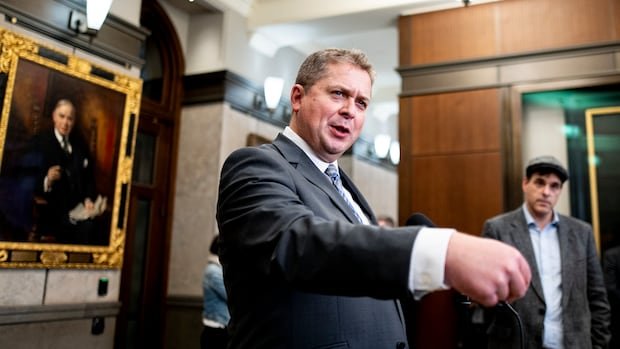

Conservative House leader Andrew Scheer expressed concerns on Wednesday that the government might be angling for a snap election by presenting a budget that the Opposition is unlikely to back. Finance Minister François-Philippe Champagne is set to unveil the government’s inaugural budget next week, anticipated to focus on substantial investments in defense, housing, and aid for those impacted by the U.S. trade dispute, alongside proposed budget cuts in other areas.
As of now, no party has committed to supporting the budget. With the Liberals holding a minority in Parliament, they require backing from at least one of the Bloc Québécois, the Conservatives, or the NDP to pass the budget through the House of Commons. Failure to secure enough support on the budget vote could result in a government collapse, potentially triggering a new election less than a year after the last one.
Government House leader Steven MacKinnon has voiced apprehensions about garnering sufficient votes for the budget, citing opposition parties’ reluctance to support it. Conservative Leader Pierre Poilievre has set forth a series of demands, including scrapping the industrial carbon tax, tax reductions, and capping the deficit at $42 billion, conditions deemed improbable to be met by the Liberal government.
Scheer criticized the government’s budget as a pretext for costly elections and called for a more affordable budget to benefit Canadians. The Liberals are urged to secure the necessary votes for the budget, emphasizing the mandate they received from voters. The Bloc Québécois and the NDP have also presented demands in exchange for their support, indicating potential challenges in passing the budget.
Amidst the uncertainties, interim NDP Leader Don Davies emphasized the importance of targeted investments supporting families, employment, housing, and public health care. While other parties have hinted at opposing the budget, Davies stated that his party will wait to assess the budget contents before making a definitive decision, emphasizing the avoidance of deep cuts and austerity measures.
The outcome of the budget vote remains pivotal, with the potential for a new election looming if consensus on the budget cannot be achieved among the parliamentary parties.