


A pivotal moment for Charu Chandrasekera occurred when her perspective shifted from utilizing mice for heart failure research to contemplating the practicality of her work when her father required a quadruple bypass surgery. This realization led her to question the efficacy of animal testing in translating results to human patients, as studies show that around ninety percent of drugs deemed safe and effective in animal trials ultimately fail in human clinical trials.
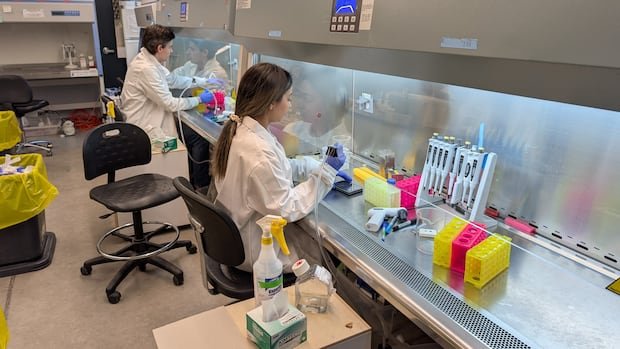
Transitioning her focus to developing alternatives to animal testing, Chandrasekera established the Canadian Centre for Alternatives to Animal Methods at the University of Windsor in 2017. Her efforts included pioneering technologies such as 3D bioprinted tissues using human cells to assess health changes in a controlled environment instead of relying on animal testing.
However, due to insufficient funding, Chandrasekera was compelled to shut down her lab in 2024, despite the significant impact her center had on reshaping the discourse around animal testing in Canada. Unlike other nations like the U.K., the U.S., and the European Union, which have allocated resources and outlined plans to phase out animal testing in research domains, Canada lacks a comprehensive strategy for replacing animals used in biomedical testing, constituting a substantial percentage of the millions of animals employed in Canadian research annually.
Chandrasekera emphasizes the burgeoning potential of the industry estimated to reach $30 billion by 2030 and underscores the necessity for Canada to adapt to the shift away from animal testing, urging the country to seize the opportunity rather than lag behind global advancements.
Historically, animal testing has been the cornerstone of scientific research for comprehending human diseases and ensuring product safety. Nonetheless, advancements like stem cell research by Nobel laureate Shinya Yamanaka in 2006 have paved the way for utilizing human cells in place of animals, facilitating innovative technologies such as organ-on-a-chip models to replicate physiological functions like heart contractions in vitro.
The emergence of cutting-edge technologies like organ-on-a-chip systems, in-vitro methods, and AI computational models signifies a paradigm shift in biomedical research, emphasizing the need for a multifaceted approach that leverages the best available tools to address biological inquiries creatively.
Regulatory bodies, including Health Canada, play a pivotal role in evaluating the acceptability of alternative methods in research. While Canada has taken steps like banning cosmetic testing on animals through legislation, there is a lack of a concrete plan to replace animals in biomedical settings, signaling the ongoing evaluation of new technologies by governmental authorities.
The debate surrounding the feasibility of ending animal testing persists, with researchers like Michael Czubryt highlighting the unique insights animal models offer in understanding complex biological interactions that may not be replicated in artificial models. However, proponents of alternative methods stress the importance of scientific rigor and cautious advancement to ensure the safety and efficacy of novel approaches.
Despite global initiatives investing millions in transitioning away from animal testing, Canada lags in funding such endeavors, posing a challenge to researchers like Chandrasekera, who foresee the potential exodus of innovative minds seeking better opportunities abroad due to the lack of financial support domestically. Calls for Canada to take a leadership role in embracing alternative research methods echo throughout the scientific community, emphasizing the imperative of collective action to drive transformative change.