

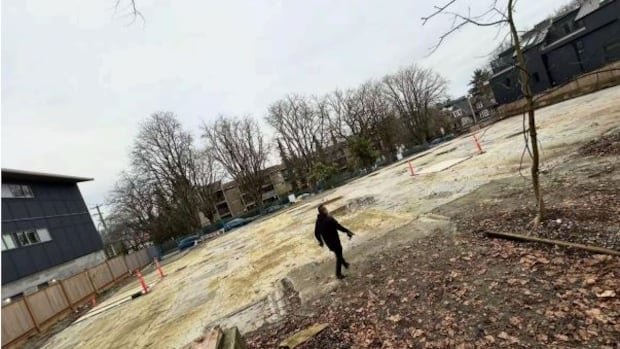

Fu De Ren, the owner of a property damaged by fire, has been involved in legal battles defending his actions. Ren attempted to reduce his property’s assessed value from $19 million to $10 million, leading to scrutiny by the assessment appeals board. The board found Ren’s arguments filled with fictitious case law, possibly stemming from AI “hallucinations,” which resulted in additional time and effort by both the board and the assessor.
Ren’s conflict with B.C. Assessment stems from a fire incident that occurred more than two years ago, rendering his apartment building uninhabitable. Subsequent events, including another fire and disputes with tenants and authorities, led to a complex legal situation. Ren’s use of AI-generated legal references in his submissions has raised concerns, mirroring similar instances in various courts where fictitious citations have been identified.
The assessment appeal board, in reviewing Ren’s case, found discrepancies in his arguments and lowered the assessed value by $900,000. The board emphasized the importance of accuracy in legal submissions and highlighted the potential consequences of AI-generated information. Ren’s appeal process has shed light on the challenges posed by the use of AI in legal proceedings and the responsibility of individuals to ensure the accuracy of their submissions.
As decision-makers grapple with the implications of AI in legal contexts, instances of non-existent case law citations have raised red flags in various tribunals and courts. The need for transparency regarding the use of AI in legal research has become apparent, emphasizing the importance of upholding professional standards and truthfulness in legal proceedings. Ren’s case serves as a reminder of the evolving landscape of legal technology and the complexities it introduces into the justice system.