

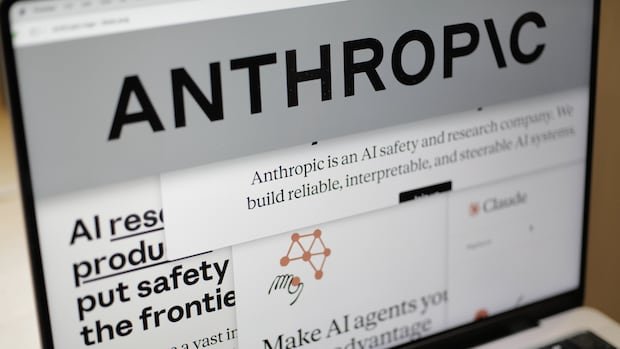

Anthropic, a leading AI company known for its Claude chatbot and commitment to safe technology, is adjusting its safety policies to stay competitive. The company recently updated its responsible-scaling guidelines, emphasizing the need for a strong argument to contain catastrophic AI risks during development. However, the revised policy now allows continued development if Anthropic believes it has a significant lead over competitors.
The decision to modify its safety approach is attributed to shifting priorities in the U.S., where economic potential is overshadowing concerns about AI safety. Despite initial claims of prioritizing safety, Anthropic’s move comes amid a landscape that favors AI competitiveness and economic growth over safety discussions at the federal level.
The alteration in safety protocols coincides with a situation where the Pentagon is pressuring Anthropic regarding the use of its technology for military purposes. Although the Pentagon’s stance is unrelated to the policy change, it highlights the complex dynamics between tech companies and government entities in the AI space.
Established in 2021 by former OpenAI employees, Anthropic has been vocal about its safety-first approach. CEO Dario Amodei has emphasized the importance of safety in AI development, citing concerns about potential negative impacts on humanity. Despite this reputation, critics like Heidy Khlaaf from the AI Now Institute argue that Anthropic has historically fallen short in preventing harm from current AI applications.
As the company faces scrutiny over its safety policies and government partnerships, the broader AI landscape is marked by fierce competition among industry giants such as Anthropic, OpenAI, and Google. The U.S. government’s pro-AI stance and threats to withhold funding from states resisting AI dominance add further pressure on companies to prioritize economic interests over safety concerns.
In Canada, the absence of comprehensive AI regulations following the demise of the Artificial Intelligence and Data Act in 2025 raises concerns about the country’s ability to keep pace with global AI developments. The lack of regulatory frameworks poses challenges for companies like Anthropic operating in jurisdictions with differing approaches to AI governance.
Amidst these complexities, Anthropic’s evolving safety policies and government engagements underscore the delicate balance between innovation, security, and ethical considerations in the rapidly evolving AI landscape.