

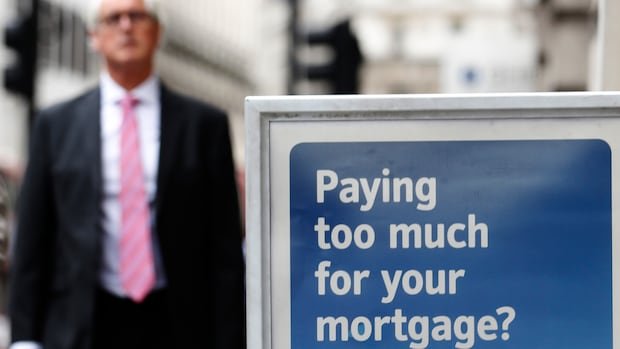

The Bank of Canada has kept interest rates steady since July 2023. Despite expectations for another hold next week, there is a growing sentiment among analysts and traders that the central bank may raise its key rate to combat persistent inflation. The current policy rate has remained at 2.25% since a reduction in October 2025.
Bank of Canada Governor Tiff Macklem recently indicated a potential need to increase borrowing costs if energy prices remain high due to ongoing tensions in the Middle East. The latest inflation report from Statistics Canada highlighted the impact of surging energy prices, although this has yet to significantly affect other sectors of the economy. However, a new survey from the Bank of Canada revealed that businesses are bracing for higher prices.
While a Bloomberg survey indicates an expectation for the bank to maintain rates, notable institutions like Bank of Montreal, RBC Dominion Securities, and Desjardins Group have shifted their forecasts from a hold to a rate hike on October 28. Traders in the overnight swap market now assign an 87% probability to a 25-basis point rate increase, up from 70% earlier in the week.
Economists such as Derek Holt from Scotiabank and David Doyle from Macquarie Group are advocating for a rate hike, foreseeing a gradual increase in rates over the coming months. This sentiment is shared by mortgage expert Leah Zlatkin, who believes that if a rate hike occurs, it could signal the start of a rate hike cycle.
The prospect of higher rates could have significant repercussions on the real estate market, with experts warning of potential impacts on mortgage payments, buyer eligibility, and home prices. Scott Terrio from Hoyes Michalos & Associates described the housing market as fragile, expressing concerns about the effects of rising rates. Analysts also point out that current home sales are at a historic low, attributing this to economic uncertainties like trade disputes and technological advancements affecting employment.
Ben Rabidoux of Edge Realty Analytics suggested that a gradual decline in home prices may be plausible if interest rates rise. The Canadian Real Estate Association recently revised its sales forecast for 2026 downward, citing a more hawkish stance from the Bank of Canada. Despite the challenges, Zlatkin noted that falling home prices, particularly in Toronto, could present buying opportunities for qualified purchasers.
Overall, the potential rate hike by the Bank of Canada could have far-reaching consequences on various aspects of the economy, particularly the real estate sector. The evolving landscape underscores the need for stakeholders to closely monitor developments and adapt to the changing financial environment.