

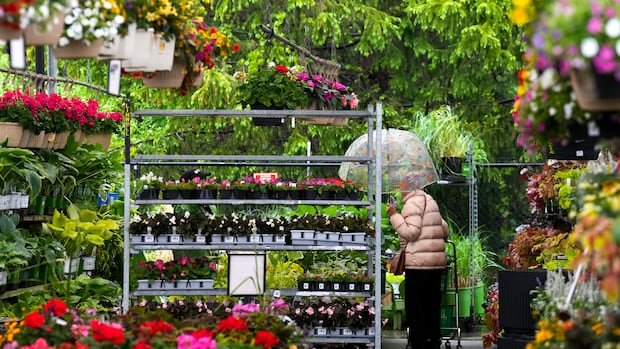

Canadian municipalities are taking action to prevent the sale of invasive plants at local garden centers. Advocates are urging the Canadian government to implement a nationwide strategy for regulating the horticultural trade. Invasive plants pose a threat to biodiversity across the country, prompting cities to address gaps in the current regulatory framework, which varies by jurisdiction. Canada has committed to reducing the introduction and establishment of known invasive species by at least 50% by 2030.
The Canadian Coalition for Invasive Plant Regulation (CCIPR) is calling on the federal government to establish a regulatory body for the horticultural industry and develop a national database that identifies invasive plants and their associated risks in different regions. According to CCIPR co-founder Cathy Kavassalis, even if a complete prohibition is not feasible, it is essential to inform the public about potential harm, a practice already common for other products.
While some invasive plants are regulated by the Canadian Food Inspection Agency (CFIA) under the Plant Protection Act, provinces and territories have their own legislation for managing invasive species and weeds. The CFIA adopts a species- and risk-based approach rather than a blanket prohibition, restricting the import, sale, possession, and movement of regulated pests, including ornamental plants.
In response to the growing concern, municipalities like Nanaimo and Surrey have taken steps to restrict the sale of invasive plants, with London considering measures to provide information to customers at the point of sale. However, Kavassalis emphasizes the need for a comprehensive federal approach to avoid fragmented solutions that strain resources.
Kirsty MacDonald, Nanaimo’s parks manager, highlighted the impact of invasive plants on the local environment and human health, emphasizing the importance of cooperation among all levels of government. Jim Hole, a horticulture expert, noted that most garden centers support efforts to prevent the spread of invasive plants, with research, regulation, and public education playing crucial roles in addressing the issue.
Native plant advocate Lorraine Johnson pointed out the influence of nurseries in promoting non-native plants, which can contribute to biodiversity loss. Kavassalis stressed the importance of educating the public and gardeners about the impact of their plant choices on the larger ecosystem.
Moving forward, advocates are urging the federal government to prioritize the horticultural trade in meeting the 2030 biodiversity targets. They emphasize the need for a national database to provide shared information on invasive plants and advocate for clear labeling or removal of invasive species from shelves to mitigate the environmental and economic harm caused by these plants.