

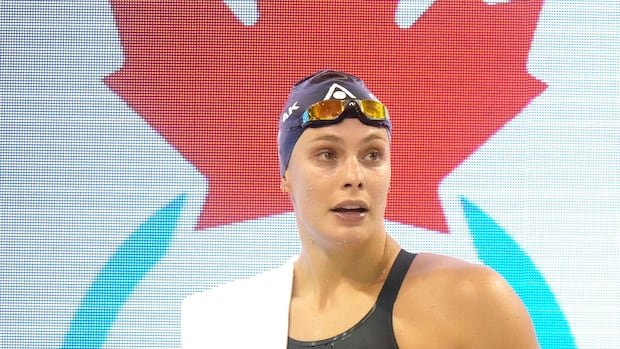

Canadian swimmer Penny Oleksiak has received a two-year competition ban due to three whereabouts failures, sparking inquiries into the grounds for her suspension. Swimming Canada’s CEO, Suzanne Paulins, stated that Oleksiak’s lapses were unintentional and that she did not use prohibited substances.
Oleksiak, who shares Canada’s most decorated Olympian title with sprinter Andre De Grasse, has amassed seven medals throughout her career. The whereabouts program, under the World Anti-Doping Agency (WADA), mandates certain athletes to provide details of their daily activities to facilitate random drug testing.
Elite athletes in the Registered Testing Pool (RTP) are required to disclose their whereabouts for each day of the year, including accommodation, travel, and training schedules. This information enables anti-doping agencies to locate athletes for unannounced tests.
Athletes must designate a specific location for one hour daily to ensure accessibility for potential drug tests. Failure to adhere to the whereabouts program, including missed tests or inaccurate information, can lead to sanctions upon accumulating three failures within a year.
Although whereabouts failures are infrequent, they can result from athletes’ oversight or busy schedules. Education and reminders are provided to athletes to ensure compliance with the program’s requirements.
Oleksiak’s case underscores the importance of athletes understanding and adhering to anti-doping protocols to avoid unintentional violations. It serves as a reminder of the stringent measures in place to maintain the integrity of sports and ensure fair competition.