

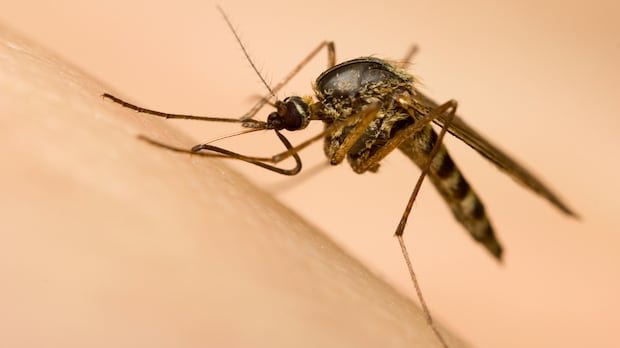

Recent heavy rainfall in Edmonton has led to a surge in mosquito activity, with a significant increase in mosquito populations expected across the region. Mike Jenkins, a senior scientist and pest management coordinator for the City of Edmonton, highlighted that the current mosquito numbers are the highest seen in several years due to the prolonged rainy period. The saturated ground resulting from heavy rains in early June is creating ideal conditions for mosquito breeding, potentially leading to multiple generations overlapping each other.
The abundance of dormant mosquito eggs from previous dry spells is now being activated by the recent rainfall, causing a rapid increase in mosquito hatching. Female mosquitoes that have hatched will soon seek blood meals, further fueling their reproduction cycle. While the mosquito numbers have been relatively low due to past dry summers depleting the egg banks, the current conditions are expected to lead to a significant rise in mosquito populations in the coming days.
City authorities are actively managing mosquito populations by targeting known breeding habitats, such as roadside ditches and swampy areas near parks and trails. The use of targeted treatments aims to control the mosquito population, especially in areas where mosquitoes are a significant nuisance. As the mosquito numbers continue to rise, Jenkins advises residents to take precautions, such as covering up and eliminating standing water on their properties to reduce breeding grounds.
The presence of a new mosquito species, Culex pipiens, known to carry the West Nile virus, has been identified in the Edmonton region. This species prefers laying eggs in standing water, emphasizing the importance of removing potential breeding sites like stagnant water in containers. City programs focus on preventing larvae from hatching using biological larvicides, with a goal of reducing disease transmission risks associated with mosquitoes.
Despite concerns about disease transmission, research indicates that mosquitoes primarily target birds over humans for feeding. Among Edmonton’s mosquito species, Aedes vexans is expected to be the predominant pest this summer, known for its biting activity during dawn and dusk. Jenkins emphasized the significance of proactive measures to mitigate mosquito-related issues as the season progresses.