

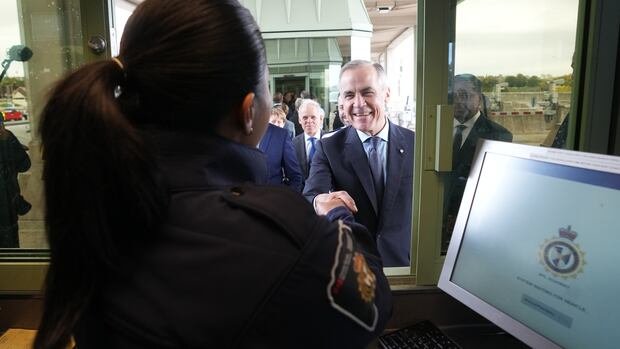

After winning the recent federal election, Prime Minister Mark Carney swiftly introduced a border security bill, a key move to fortify the 49th parallel and enhance trade relations with the U.S. However, as trade negotiations soured over the following months, the bill faced intense public scrutiny, leading to its division and demands for revisions.
Opposition parties have raised concerns about both components of the bill, setting the stage for a challenging battle for the Liberals to fulfill their election pledge in a minority government setup. The ongoing debate coincides with Canada hosting a G7 security ministers’ meeting in Ottawa, where border security and immigration issues are likely to be prominent topics.
The original legislation, known as the Strong Borders Act or Bill C-2, was introduced in response to pressure from U.S. President Donald Trump regarding immigration and drug trafficking concerns. Apart from committing over $1 billion in additional border security funding, the bill proposed enhanced surveillance powers for security agencies, stricter asylum claim procedures, and measures to combat illicit drug production.
While the initial bill garnered support from law enforcement officials and advocacy groups, it faced backlash from over 300 civil society organizations, citing concerns about privacy infringement and threats to refugee and migrant rights. In response to the criticisms, the Liberals opted to split the bill, resulting in the introduction of a new legislation, Bill C-12, focusing on specific border protection aspects.
The Conservatives and NDP have expressed reservations about both bills, hinting at potential clashes during the legislative process. Conservative critic Michelle Rempel Garner vowed to propose amendments to Bill C-12, advocating for stricter asylum policies. NDP’s Jenny Kwan criticized the bills for potentially violating refugees’ rights and imposing stringent immigration regulations.
As the bills undergo committee scrutiny, the Bloc Québécois’s stance remains uncertain, while the NDP plans to present its own amendments despite lacking official party status in the House committees. The Liberals have urged Conservative support for the bills, emphasizing the need for updated legislation to address security challenges effectively.
While the legislative process continues, the fate of the bills remains uncertain, with potential modifications to address various concerns. The government aims to pass Bill C-12 first, with the possibility of revisiting Bill C-2 at a later stage, reflecting the ongoing complexities surrounding border security and immigration policies in Canada.