

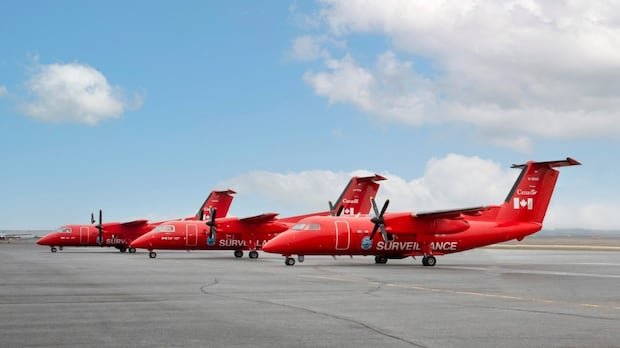

Transport Canada is set to transfer most, if not all, of its aviation services to the Department of National Defence, a move outlined in the recent federal budget. This transfer may impact the long-established National Aerial Surveillance Program (NASP), which monitors pollution and marine wildlife along Canada’s coastlines.
According to the budget presented by Finance Minister François-Philippe Champagne, the core aviation services of Transport Canada will be restructured, with functions and assets being shifted to the Department of National Defence. The budget assures that the training and certification of pilots by Transport Canada will continue unaffected, with no repercussions for commercial and non-commercial pilots in the country.
Despite requests for clarification from CBC News, both Transport Canada and the Finance Department have declined to elaborate on the implications of the transfer. Transport Canada currently operates a fleet of approximately 52 aircraft, with 24 owned and the rest leased, including a new drone for Arctic surveillance.
Finance officials have provided limited information, stating that the transfer is part of Transport Canada’s efforts to achieve savings targets. The integration of Transport Canada’s civilian fleet into the Defence Department mirrors the recent absorption of the Canadian Coast Guard, raising questions about data sharing and operational capabilities.
The specifics of how the Transport Canada fleet will contribute to military surveillance remain unclear, but it is expected to contribute to Canada’s defense spending commitment. The move has been linked to meeting NATO’s benchmark of allocating five percent of GDP to defense expenditures.
The decision has raised concerns about maintaining essential civilian functions while meeting defense spending targets. The transfer is seen as a strategic move to bolster defense spending percentages without fully considering the implications for civilian services provided by Transport Canada and the coast guard.
The reduction in NASP surveillance last summer due to aircraft limitations and pilot overtime constraints underscores the importance of the aviation services being transferred. The acquisition of the Hermes 900 Starliner drone for Arctic surveillance signals Canada’s commitment to enhancing its capabilities in the region.
As countries like Russia and China increase their presence in the Arctic for economic and strategic reasons, the role of Transport Canada in monitoring the region becomes increasingly vital. The department’s fleet of aircraft and helicopters, crucial for operations like the NASP, will play a significant role in supporting Canada’s environmental and security interests.