

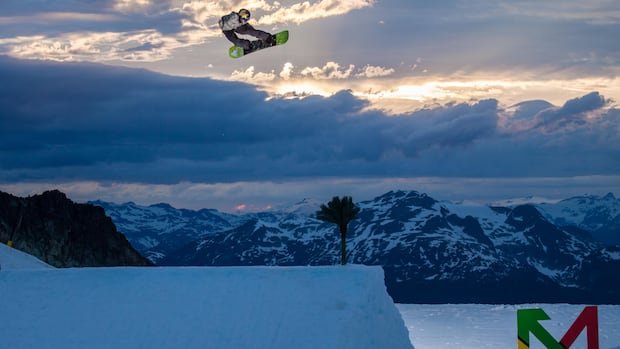

A two-part series delves into how climate change poses a threat to winter sports. For over 20 years, young skiers and snowboarders honed their skills on Whistler Blackcomb’s Horstman Glacier during the summer, training alongside top Canadian athletes. Momentum Camps served as a breeding ground for Olympic aspirations and a passion for sports, with renowned athletes like Mikaël Kingsbury mentoring budding talents.
The camp’s success stories include athletes such as Alex Bilodeau and Cassie Sharpe, who clinched Olympic gold medals. Founded by John Smart, a freestyle skiing Olympian, Momentum Camps aimed not only to produce champions but also to instill healthy lifestyles in young athletes. However, the rapid melting of the glacier led to the cessation of summer skiing in 2024, disrupting training opportunities for elite athletes in Canada.
The demise of summer skiing at Horstman Glacier served as a stark reminder of the escalating threat posed by climate change to winter sports. A 2024 study commissioned by the International Olympic Committee revealed a dwindling number of suitable locations for hosting the Winter Olympics due to global warming. Freestyle Ski Canada’s CEO, Peter Judge, highlighted the increasing cancellations and modifications of competitions due to safety concerns for athletes.
The global warming crisis affecting winter sports is a focal point at the ongoing UN Climate Conference, COP30, in Brazil. John Smart is working on a plan to revive summer skiing on Whistler Mountain, potentially two years away and requiring substantial investment. Collaborative efforts with partners may be necessary to materialize this sustainable training venue as a proactive response to climate challenges.
The shutdown of glacier summer camp operations was a safety-driven decision attributed to the adverse effects of glacial melt on Horstman Glacier. Vail Resorts, the operator of Whistler Blackcomb, emphasized the importance of environmental stewardship and pledged to achieve a zero net operating footprint by 2030. Discussions on relocating snowmaking facilities higher up the glacier and exploring snow farming techniques are underway to restore summer skiing opportunities.
The exorbitant costs associated with relocating training facilities post the cessation of summer skiing underscore the financial toll on athletes and organizations. Johan Eliasch, CEO of the International Ski and Snowboard Federation, emphasized the positive impact of summer skiing on glacier preservation. The need for sustainable solutions to balance winter sports’ environmental impact while maintaining their essence is a critical consideration for the future.