

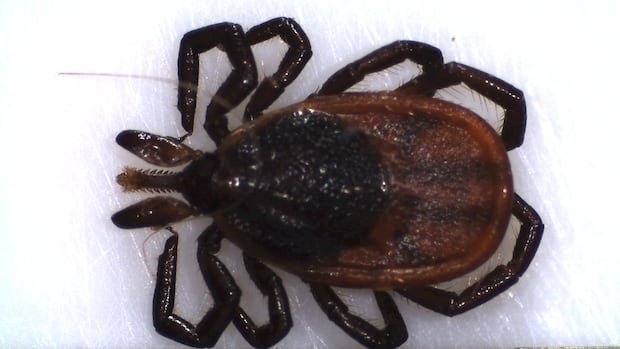

A snowy winter in Nova Scotia may not reduce the tick population as expected, according to experts. Contrary to common belief, deep snow cover can actually provide insulation for ticks, helping them survive harsh conditions. Researchers suggest that despite the cold snaps experienced earlier in the winter, sustained cold temperatures that could kill ticks arrived after snow cover was already in place.
Ticks typically seek sheltered areas like beneath leaf litter during winter and can survive for extended periods without food. While very cold temperatures can slow down their metabolism, consistent temperatures below –10 C without protective coverings can lead to mortality. Although extreme low temperatures can be fatal to ticks, they have shown resilience to cold weather.
Research indicates that ticks can adapt to slower temperature changes better than sudden drops in temperature. Even extreme cold spells, such as –27 C temperatures experienced in the past, did not significantly impact the tick population in Nova Scotia. Experts predict that this year’s tick season is likely to be similar to previous years due to the hardiness of the tick population.
In summary, the snowy winter in Nova Scotia is not expected to hinder the tick population, and experts suggest that tick numbers may remain consistent with previous years.