


Astronaut well-being has been a focal point since the inception of space exploration. Issues such as motion sickness, disorientation, muscle degeneration, and bone density loss have affected all space travelers. NASA has developed methods to address many of these challenges through medication and rigorous exercise in space. However, more severe health issues could pose significant obstacles for extended missions to the moon and Mars, prompting scientists to delve deeper into the potential health risks for long-distance astronauts and how to mitigate them.
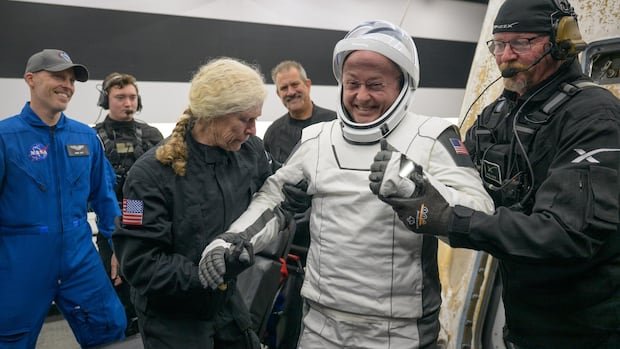
While serious health incidents in space are infrequent, the first medical evacuation in the history of the International Space Station occurred in January 2026 when astronaut Mike Finke encountered a non-life-threatening medical condition requiring ground-based diagnosis and treatment. The specific cause of the medical emergency has not been disclosed by NASA for privacy reasons, but Finke has confirmed his recovery.
Close calls in space are closely scrutinized to enhance our understanding of how microgravity impacts human health. A recent study by a scientist from Simon Fraser University investigated blood clot formation in microgravity following the discovery of a clot in the neck of a female astronaut in 2019. Swift action was taken by ground and space teams to devise a treatment plan to avert immediate complications from the clot.
Research focusing on blood clot formation in microgravity revealed that clots formed in space are more resilient than those on Earth. Subsequent studies explored potential sex-based differences in blood clotting in a microgravity environment. Portable ultrasound devices, routinely used by astronauts for health checks in space, were instrumental in diagnosing both Finke and the female astronaut.
In a weightless environment, fluid redistribution can lead to conditions like facial swelling and thinning legs, making blood clots near the brain more precarious. Vision changes, exemplified by Space-Associated Neuro-Ocular Syndrome (SANS), have been observed in astronauts and are linked to alterations in blood flow and pressure affecting the eyes.
Injuries are common in space, with musculoskeletal issues and exercise-related injuries being prevalent. While the International Space Station is equipped with medical supplies and a flight surgeon, conditions requiring surgical intervention necessitate return to Earth due to the challenges of performing surgery in a weightless environment.
Future missions to the moon and Mars present unique medical challenges due to prolonged travel times and communication delays with Earth-based medical teams. NASA is developing Earth-Independent Medical Operations (EIMO) to enable astronauts to manage health issues autonomously during distant missions. Emphasis is placed on proactive health monitoring and prevention strategies to ensure crew well-being throughout the mission.
Despite these preparations, the possibility of fatal medical emergencies in space remains, prompting NASA to have comprehensive protocols in place for such tragic scenarios. Let’s hope such measures are never needed.