

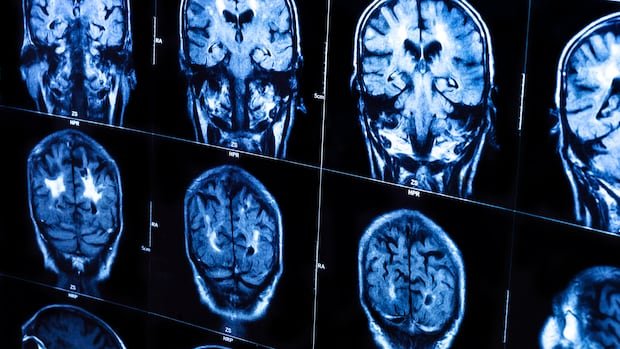

A recent medical breakthrough at London Health Sciences Centre in Ontario showcased the successful removal of a pituitary gland tumor from patient Dave Evans. During the surgery led by neurosurgeon Dr. Neil Duggal, a new mobile MRI was utilized mid-procedure to assess the tumor removal progress. This innovative approach enabled the surgical team to remove nearly 99% of the growth, significantly improving Evans’s health outcomes.
Mobile MRI and CT scanners, which are portable versions of traditional imaging devices, have been gaining popularity in Canadian healthcare facilities. These devices, powered by lower-strength magnets or radiation and artificial intelligence, offer flexibility in medical procedures and diagnostics. The Canadian Agency for Drugs and Technologies in Health reported an increase in the use of mobile imaging devices across the country, highlighting their potential to enhance patient care, especially in rural and remote areas.
Dr. Kevin Sheth, a neuroscientist at Yale University, emphasized the promising impact of mobile scanners on surgical outcomes and patient accessibility. The cost-effectiveness and technological advancements driving the adoption of these devices have made them a valuable tool in modern healthcare settings. With ongoing research focusing on the benefits of mobile scans, medical experts are optimistic about the future implications of this emerging technology.
In Alberta, the mobile stroke unit has revolutionized emergency care by utilizing a CT scanner inside an ambulance to diagnose strokes on the go. Dr. Ashfaq Shuaib, a neurology professor at the University of Alberta, highlighted how immediate access to mobile scans can significantly improve treatment outcomes for stroke patients. The timely administration of clot-busting medication based on scan results has proven critical in enhancing patient recovery rates and reducing the risk of complications.
Despite the potential advantages of mobile imaging devices, challenges such as connectivity issues in rural areas and lower image quality compared to traditional scanners persist. Researchers underscore the importance of continuous technological advancements and expert interpretation of scan results to maximize the benefits of mobile scanners. As the healthcare industry explores the broader applications of this technology, the ultimate goal remains to enhance patient care, improve accessibility to vital imaging services, and drive positive health outcomes.