

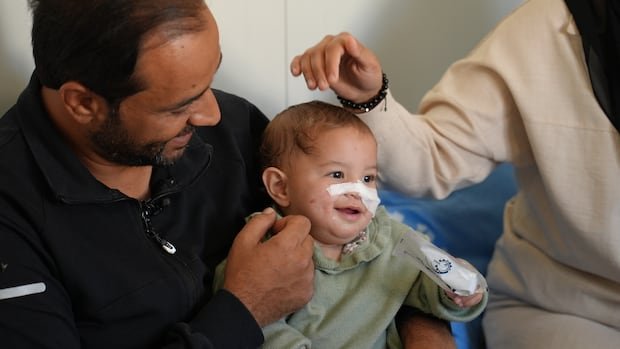

After spending over 40 days at Nasser Hospital in Khan Younis, Hani Mohammad Abu Zarqa received a life-changing call. The news that his six-month-old daughter, Habiba, was approved for urgent medical treatment in southern Turkey brought relief to the family. However, his five-year-old son, Abdullah, who also needed critical care due to a rickets diagnosis at a young age, was initially not included in the transfer plans. Abdullah’s health had deteriorated during the conflict, resulting in severe complications associated with his condition.
After significant efforts, Abdullah was eventually added to the list, and the family of five was airlifted from Israel’s Ramon airport to Belgium and then to Turkey. Tragically, just four days after arrival, Abdullah experienced sudden and severe stomach pain, leading to his untimely passing. His father lamented the challenges they faced in accessing timely medical intervention, expressing regret over the delay in receiving necessary treatment.
Amid the ongoing conflict in Gaza, over 10,000 patients have been evacuated for medical care, with the majority directed to hospitals in Egypt. However, a concerning 16,000 individuals still await evacuation approval, as per the World Health Organization (WHO). The dire situation in Gaza, where hospitals have been significantly impacted by the prolonged conflict, underscores the urgent need for continued medical support and evacuation assistance.
In Gaza, where less than half of the hospitals are operational, critical shortages of medical supplies and healthcare professionals persist, hindering effective patient care. While the UN health agency has increased medical aid shipments post-ceasefire, the number of medical evacuations remains limited due to closed border crossings, including the Rafah crossing into Egypt.
Tragically, many patients, including those with traumatic injuries, cancer, and chronic illnesses, have succumbed while awaiting transfer for treatment abroad. Dr. Ahmed Al-Farra, the pediatrics director at Nasser Hospital, highlighted the challenges faced by medical professionals in Gaza due to resource constraints, which have led to preventable deaths among patients in need.
In the case of Abdullah, his father recounted the family’s struggles in managing his deteriorating health amidst severe medication and supplement shortages exacerbated by the conflict. Abdullah’s health worsened after sustaining injuries in 2024, rendering him immobile and reliant on external assistance for mobility. The family’s plight was publicized on various platforms, with conflicting narratives emerging regarding Abdullah’s medical history.
Similarly, Habiba, Abdullah’s younger sibling, faced health challenges, including glycogen storage disease, necessitating meticulous monitoring of her blood sugar levels and specialized care in Turkey. The family’s focus has shifted towards Habiba’s treatment, with uncertainties looming over their prolonged stay in Turkey, intended as a temporary measure to facilitate her medical care.
Meanwhile, another Gaza resident, Mohammed Hammouda, a former physiotherapist, was forced to seek medical treatment in Turkey following injuries sustained in conflict-related incidents. His physical limitations and the emotional toll on his family underscore the far-reaching impacts of the conflict on Gaza’s residents, who grapple with displacement, loss, and ongoing healthcare challenges.
The stories of Abdullah, Habiba, Mohammed Hammouda, and countless others shed light on the urgent need for sustained humanitarian aid, medical support, and evacuation assistance to alleviate the suffering of individuals affected by the protracted conflict in Gaza.