


Prime Minister Benjamin Netanyahu announced on Sunday that Israel would have the final say on which foreign forces would be permitted to participate in a proposed international force in Gaza, aimed at assisting in upholding a delicate ceasefire as outlined in U.S. President Donald Trump’s initiative. The inclusion of troops from Arab and other nations remains uncertain due to the reluctance of Palestinian Hamas militants to disarm, a key requirement of the plan. Concerns have also been raised by Israel regarding the composition of the force.
While the United States has ruled out deploying its own troops to Gaza, discussions have been ongoing with countries such as Indonesia, the United Arab Emirates, Egypt, Qatar, Turkey, and Azerbaijan regarding their potential contributions to the multinational force. Netanyahu emphasized Israel’s control over its security and its authority in determining which foreign forces are deemed unacceptable. This approach has been endorsed by senior U.S. officials, as confirmed by Netanyahu during a cabinet meeting.
Netanyahu previously hinted at opposing any involvement of Turkish security forces in Gaza, reflecting the strained relations between Turkey and Israel during the Gaza conflict. Israel, which imposed a blockade on Gaza to support its military operations against Hamas following an attack by the militant group in October 2023, continues to regulate access to the territory.
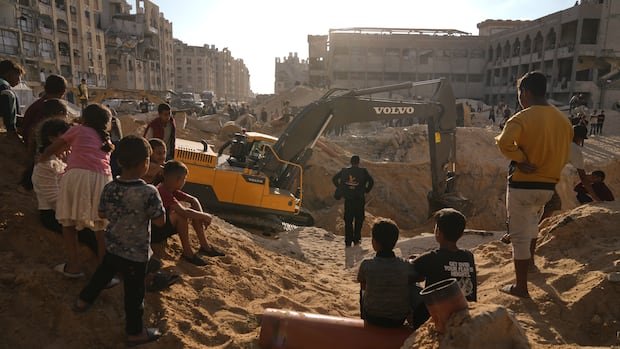
In a separate development, Hamas announced an expanded search for the remains of hostages in Gaza, with support from Egyptian experts and equipment. Under the ceasefire brokered by the U.S., Hamas is expected to promptly return Israeli hostages’ remains, while Israel has agreed to repatriate Palestinian bodies. Efforts to retrieve these remains have been ongoing, with the Egyptian team aiding in the search process.
The ceasefire plan also entails challenging steps ahead, including the disarmament of Hamas and the governance of Gaza post-conflict. Calls persist for increased humanitarian aid access to the famine-stricken region. Media access to Gaza remains restricted, with international journalists only permitted brief visits accompanied by Israeli military personnel.
Against this backdrop, Netanyahu defended Israeli military actions following strikes on Gaza, prompting accusations of ceasefire violations from Hamas. The military claimed to have targeted militants associated with the Palestinian Islamic Jihad group, while Hamas condemned the strikes as attempts to disrupt the peace efforts led by the U.S.
The situation in Gaza remains fragile, with recent violence threatening the ceasefire. Netanyahu reaffirmed Israel’s commitment to its security and rejected allegations of external interference in its decision-making process. The ongoing challenges underscore the complex nature of the conflict and the need for sustained diplomatic efforts to maintain peace in the region.