

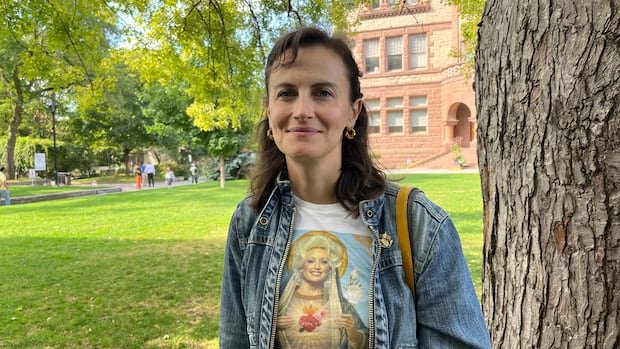

In an unusual twist, Stephanie Azzarello found herself in a situation where she had to seek a liver donor to save her life after being diagnosed with primary sclerosing cholangitis, a rare liver disease. Despite being on the deceased donor waiting list for ten years, the chances of receiving an organ were slim. With no matches among family and friends, Azzarello had to appeal to the public for help.
Dr. Mamatha Bhat, a clinician scientist at the University Health Network Ajmera Transplant Centre in Toronto, recognized the need to improve the current liver transplant prioritization system, which often disadvantaged women and individuals with rare conditions like PSC. The Model for End Stage Liver Disease (MELD) score, based on a few blood tests, did not adequately consider the unique circumstances of such patients.
To address these issues, Bhat and her team secured funding in 2023 to develop an artificial intelligence system that could better assess patients based on a range of factors, aiming to eventually replace the MELD score. Initial results showed promising outcomes in accurately prioritizing patients based on their needs. Bhat envisions widespread implementation of this AI system in Canadian hospitals to reduce mortality rates among those awaiting liver transplants.
Despite facing challenges, Azzarello’s social media campaign eventually led Trisha Beard from Portland, Oregon, to step forward as a living donor. After a series of tests, Beard was confirmed as a compatible match and underwent surgery to donate a portion of her liver to Azzarello in June 2024. This life-saving act has forged a deep bond between the two women, with Beard considering Azzarello as part of her family now.
Both women have recovered well from the surgery, with Azzarello expressing gratitude for the gift of life she received from her donor. Their story serves as a testament to the power of organ donation and the impact it can have on saving lives.